


Makita makes several cordless impact drivers, and the differences aren't always obvious from the model numbers. If you're deciding between the DTD152, DTD153 and DTD173, the right choice depends less on the biggest torque figure and more on how often you'll use the tool, how much control you need and whether you already own Makita batteries.
The Makita DTD152 is a straightforward option for general fastening; the DTD153 adds a brushless motor and a compact design; and the DTD173 offers four selectable power settings, a ring-shaped LED light and greater control options. All three are part of Makita's 18V LXT battery platform.
Below, we compare their published specifications and explain which features are worth paying for. This is a specification-based buying guide, not the result of our own hands-on performance tests.
Makita DTD152 vs DTD153 vs DTD173: Quick Comparison
| Feature | Makita DTD152 | Makita DTD153 | Makita DTD173 |
|---|---|---|---|
| Battery platform | 18V LXT | 18V LXT | 18V LXT |
| Motor | Brushed | Brushless | Brushless |
| Maximum fastening torque | 165 Nm | 170 Nm | 180 Nm |
| Maximum no-load speed | 2,900 rpm | 3,400 rpm | 3,600 rpm |
| Maximum impact rate | 3,500 ipm | 3,600 ipm | 3,800 ipm |
| Bit holder | ¼-inch hex | ¼-inch hex | ¼-inch hex |
| Distinguishing feature | Simple, compact design | Brushless efficiency | Four impact power settings and LED ring light |
These are manufacturer-listed maximum figures under specified test conditions. Actual fastening performance depends on the fastener, material, battery and operating conditions. A small difference in maximum torque does not necessarily translate into a noticeable difference for every job.
1. Makita DTD152: A Straightforward Choice for General Fastening
The Makita DTD152 is a compact 18V LXT impact driver designed for common fastening work. Its specifications include 165 Nm maximum tightening torque, a variable-speed trigger, an electric brake and twin LED job lights.
It uses a traditional brushed motor and a ¼-inch hex bit holder. At approximately 137 mm long, the body is compact enough to appeal to buyers who value a relatively simple tool rather than a long list of electronic modes.
Why consider the DTD152?
- Useful for general screwdriving and suitable bolt-fastening tasks.
- Straightforward controls without numerous mode selections.
- Compatible with the Makita 18V LXT system.
- Available in body-only configurations for buyers with compatible batteries and a charger.
What to consider: It does not offer the brushless motor found in the DTD153 and DTD173. The DTD152 is therefore worth comparing on overall price, warranty, package contents and intended workload rather than just on its maximum torque.
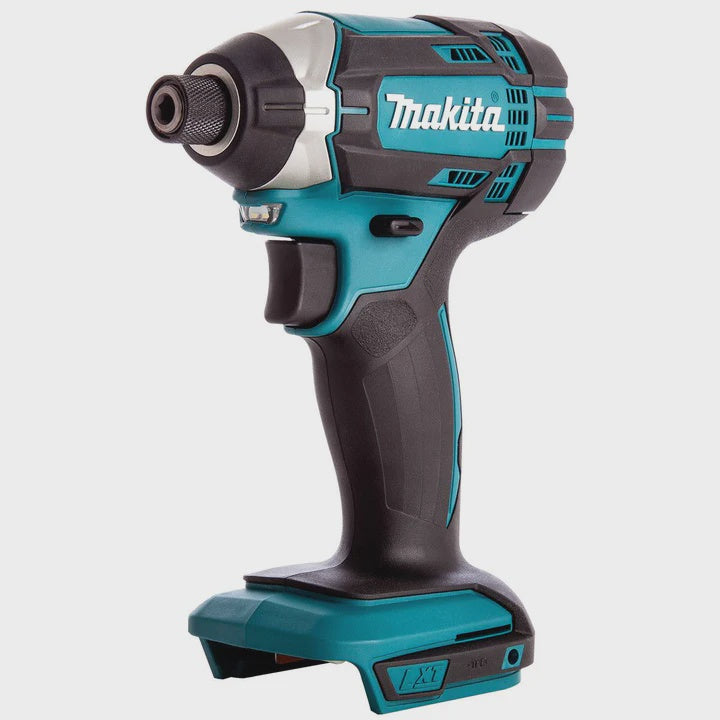
2. Makita DTD153: A Brushless All-Rounder
The Makita DTD153 is a strong option to consider for people who want a compact impact driver with a brushless motor but do not need the DTD173's extra power-setting options.
Its published maximum fastening torque is 170 Nm, with a no-load speed of up to 3,400 rpm and an impact rate of up to 3,600 impacts per minute. It also features a variable-speed trigger, LED work light and electric brake.
What makes the DTD153 appealing?
A brushless motor eliminates the carbon brushes used in traditional brushed motor designs. Depending on the task and battery, this can improve efficiency and reduce brush-related maintenance.
The DTD153 is particularly relevant if you value a compact tool and expect to use it regularly. But it is not automatically the best choice for every application: bit selection, control and overall tool suitability are at least as important as peak output.
DBR Tools has a DTD153 package listed with a 5.0Ah battery and charger. Package contents make a difference when comparing a full kit with a less expensive body-only listing.

3. Makita DTD173: For Buyers Wanting More Adjustment
The Makita DTD173 offers the broadest range of control features of these three models. It has a brushless motor, four electronic impact-power settings, and a ring-shaped LED light positioned near the front of the tool.
The published maximum fastening torque is 180 Nm. Its highest no-load speed is 3,600 rpm, and its highest impact rate is 3,800 impacts per minute.
The DTD173's appeal is not simply the extra 10 or 15 Nm shown in the specification table. Its selectable power settings give buyers more options to match the tool's response to different fastening tasks. The compact head and illumination features can also matter when working in restricted or poorly lit spaces.
Is the DTD173 worth the upgrade?
It may be if you regularly encounter varied fastening applications and want more electronic control. If most of your work is occasional, straightforward screwdriving, a DTD152 or DTD153 could be a more sensible purchase.
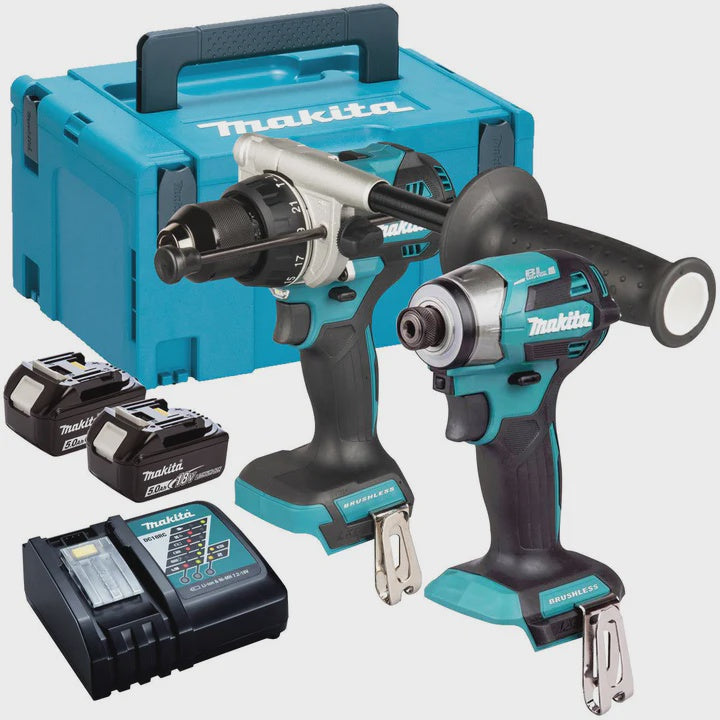
DBR Tools lists a Makita DLX2549TJ twin kit containing the DTD173 impact driver, DHP492 combi drill, two 5.0Ah batteries, charger and case. This is an option for buyers wanting both drilling and fastening tools within one battery platform.
Which Makita Impact Driver Is Best for Your Needs?
There is no single best model for every buyer. A practical way to narrow the choice is to start with the work you expect to do and the equipment you already have.
| Your priority | Model worth considering | Why |
|---|---|---|
| Straightforward fastening and an existing LXT battery | DTD152 | Simple controls and 165 Nm published maximum torque |
| Frequent use with a brushless motor | DTD153 | Compact, brushless design and 170 Nm published maximum torque |
| More selectable power settings | DTD173 | Four electronic impact settings and front LED ring light |
| Starting an 18V LXT collection with two tools | DTD173 twin kit | Provides an impact driver, combi drill, batteries and charger |
What to Look for When Buying a Makita Impact Driver
Motor type: brushed or brushless
Brushed motors can provide good performance at a lower initial tool cost. Brushless motors avoid brush wear and may improve energy efficiency. Whether the difference is worth paying for depends on how often you use the tool and what is included in the package.
Torque and control
Torque is the twisting force the tool can deliver, measured in newton metres (Nm). The figure is useful for comparing manufacturers' published specifications, but a higher maximum rating is not always better. For smaller fasteners and delicate materials, predictable trigger response and power settings are often more important.
An impact driver should not be treated as a calibrated torque wrench. Fasteners with specified tightening requirements need the correct method and equipment recommended for the application.
Battery compatibility
All three models discussed here belong to the Makita 18V LXT system. If you already own compatible LXT batteries and a charger, a body-only option may avoid buying duplicates. Makita 18V LXT and 40V XGT are different battery systems and should not be assumed to be interchangeable.
Body only or a kit?
A body-only listing normally excludes the battery and charger. A kit may include one or more batteries, a charger, a case or a bag, but the exact contents vary. Compare the complete package before deciding which offer represents better value.
Bit holder and accessories
The DTD152, DTD153 and DTD173 use a ¼-inch hex drive. They are designed primarily for driving compatible fastening accessories rather than replacing a combi drill or SDS rotary hammer. Check that any bits or accessories are approved for impact-driver use and for the application in question.
Impact Driver or Combi Drill: Which Should You Buy?
An impact driver is primarily a fastening tool. Its rotational impact mechanism helps deliver torque for suitable screws and bolts. A combi drill is more versatile for conventional drilling because it has a three-jaw chuck, adjustable clutch and, on many models, a hammer-drilling mode for suitable masonry.
Not sure how a combi drill works? Read our guide: What Is a Combi Drill? If you need both drilling and repetitive fastening, owning the two tools can be practical. A compatible twin kit can also simplify battery and charger purchases.
Safety and Responsible Tool Selection
Impact drivers are powerful tools, and their suitability depends on the job and the user's training and experience. Follow the manufacturer's instructions, use the specified accessories and appropriate protective equipment, and be mindful of flying debris, noise and unexpected tool movement. For work involving structural fasteners or defined tightening values, refer to the relevant fastening specification or a competent professional rather than relying on the impact driver's maximum torque rating.
Frequently Asked Questions
What is the best Makita impact driver for general DIY?
The DTD152 is a reasonable starting point for people who want a straightforward impact driver and already have suitable Makita 18V LXT batteries. The DTD153 is worth comparing when a brushless motor is a priority. The appropriate choice still depends on the actual tasks and package price.
Is the Makita DTD153 better than the DTD152?
The DTD153 adds a brushless motor and has a slightly higher published maximum torque rating: 170 Nm versus 165 Nm. Whether it is the better purchase depends on the intended work, total kit cost and how much value you place on brushless technology.
What is the difference between DTD153 and DTD173?
The DTD173 adds four selectable electronic impact-power settings and a ring-shaped work light. It also has a higher stated maximum fastening torque of 180 Nm. The DTD153 has a simpler control layout and a maximum fastening torque of 170 Nm.
Do Makita impact drivers use the same batteries as Makita combi drills?
They can, provided both models are compatible with the same Makita battery platform. The DTD152, DTD153 and DTD173 use Makita 18V LXT batteries; always check compatibility for the exact model and battery.
Can an impact driver replace an impact wrench?
Not in every application. Impact drivers commonly use ¼-inch hex bit holders for fastening, whereas impact wrenches typically use square drives for suitable sockets. The tools have different intended applications, and their published torque figures should not be treated as directly interchangeable.
Final Verdict: Which Makita Impact Driver Should You Choose?
For buyers seeking a simple, capable 18V LXT impact driver, the Makita DTD152 is worth considering. If a compact brushless tool is the main priority, look closely at the DTD153. For more electronic control and a wider range of power settings, the DTD173 is the most feature-rich option in this comparison.
Before deciding, check the exact package contents, compatible batteries, current stock and the fastening applications listed by Makita. The best buy is the tool that suits your work—not simply the one with the highest number on the specification sheet.
Ready to compare options? Explore the DTD152 body-only impact driver, DTD153 battery-and-charger kit or DTD173 combi drill twin kit at DBR Tools.