


Choose the sleeve for the paint and finish, not the frame. Gloss or woodwork sleeves are made for smooth, even results on doors and trim. Emulsion sleeves are made to carry wall paint across broad areas, with a pile chosen for the wall texture. The width on the pack doesn't tell you which is which.
Gloss and emulsion sleeves can be the same width and fit the same frame, but they aren't interchangeable. This guide uses our product listings and general decorating practice, not hands-on testing. Always follow the paint tin and the sleeve label.
Gloss vs Emulsion Roller Sleeves at a Glance
| Question | Gloss or woodwork sleeve | Emulsion or wall sleeve |
|---|---|---|
| Typical use | Doors, skirting, trim and flat woodwork | Walls, ceilings and broad surfaces |
| Priority | Smooth lay-off and minimal texture | Even coverage across a large area |
| Fabric and pile | Varies by product. Often short or dense | Often synthetic pile, short or medium for smooth walls |
| Paint | As stated on the label: gloss, stain, varnish | Water-based emulsion, as stated on the label |
There is no universal rule that every gloss sleeve is foam or that every emulsion sleeve has the same pile. The product label comes first.
What Makes a Gloss Sleeve Different?
Doors and woodwork need an even surface with little texture, so sleeves sold for gloss are usually short and tightly made to lay paint off smoothly. Our Harris woodwork sleeves are sold in gloss and in stain and varnish variants, which shows how the paint type changes the sleeve you need. Chemistry matters too: some gloss paints are solvent-based and some are water-based, so check the tin for roller advice.
A sleeve can be the right width and still be wrong for the finish. On smooth flat panels a textured sleeve can leave an obvious roller pattern.
What Makes an Emulsion Sleeve Different?
Emulsion sleeves are made to pick up and release enough wall paint to cover broad surfaces. The pile length should match the wall: shorter for smooth surfaces and longer for textured ones. Our Harris 4-inch wall and ceiling sleeves come in short and medium pile. The pile length guide explains how to choose.
What if the Paint Says Satin or Eggshell?
Satin and eggshell describe the finish, not the formulation. They can be water-based or solvent-based. Read the tin for its recommended tools, then check that the sleeve description points to the same kind of finish and coating. A match on both is more reliable than a pack that just says "for all paints".
Foam isn't always the answer either. Some smooth finishes suit foam, but poor or incompatible foam can leave bubbles with some coatings. Start with the paint maker's advice.
Cleaning and Reuse
After-care depends on the coating. Water-based paints and solvent-based paints are cleaned differently, and hot water alone is not right for every finish. Follow the paint tin and sleeve label. For one-off woodwork a small pack is enough; for a long job, a pack of 10 costs less per sleeve.
Roller Sleeves at DBR Tools
Check that the sleeve matches both the frame and the paint. Stock is limited.
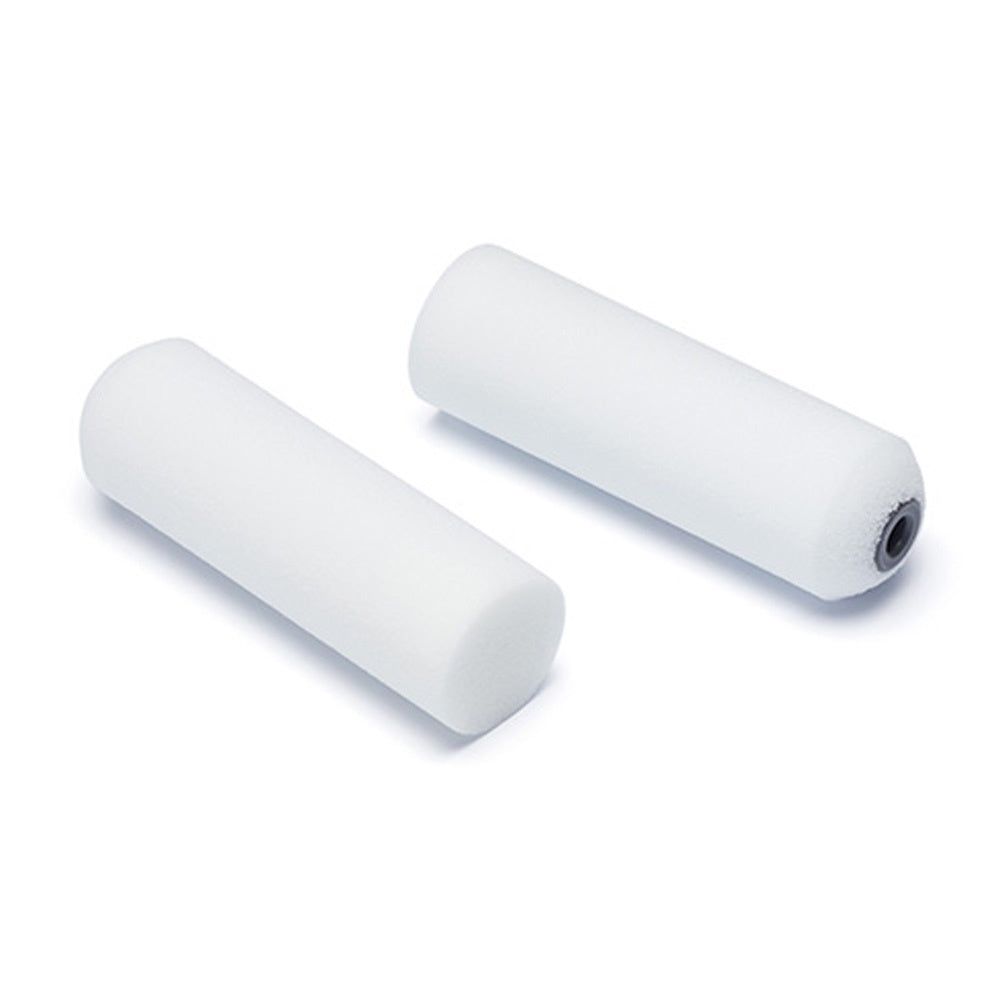
Harris 4" Seriously Good Sleeves for Woodwork
Variants for gloss and for stain and varnish, in packs of 2 or 10. Gloss packs of 2 and 10 each have 5 in stock.
View at DBR Tools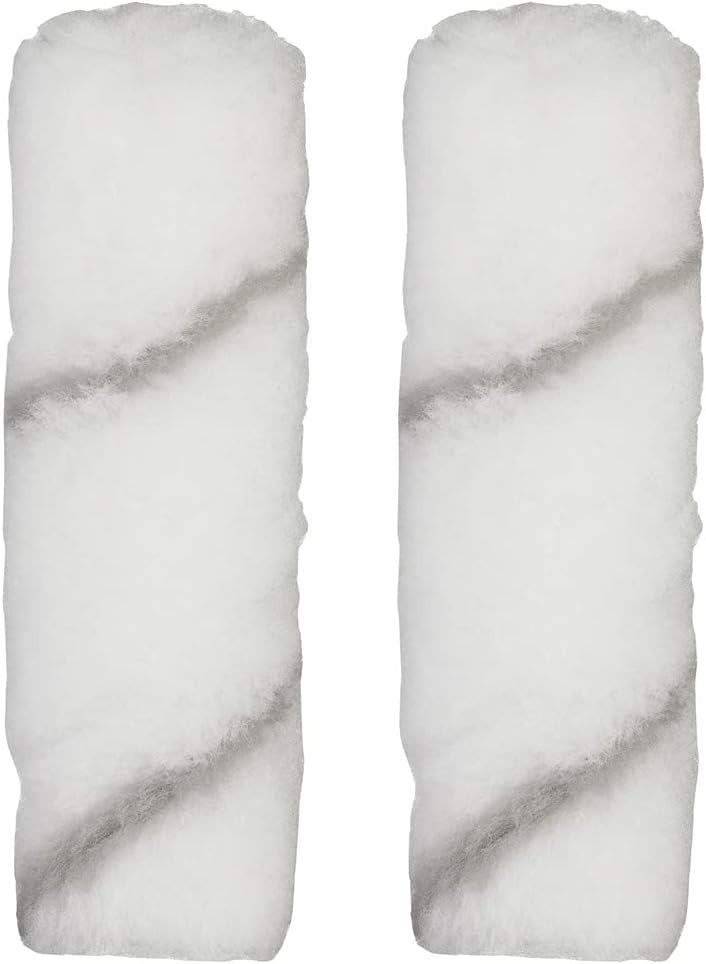
Harris 4" Seriously Good Sleeves for Walls & Ceilings
Mini sleeves for emulsion in short or medium pile. Short pile packs of 2 (4 in stock) and 10 (6 in stock) are available.
View at DBR Tools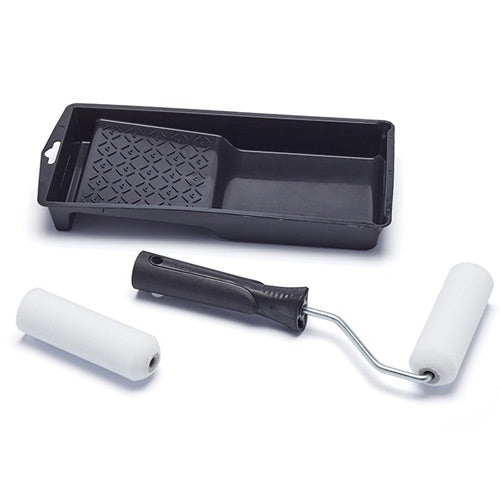
Harris 4" Mini Roller Set, Short/Medium Pile 101092201
A set for emulsion, gloss and varnish per its listing. The listing says to rub the sleeves with a clean dry hand first and not to wet them. 4 in stock.
View at DBR ToolsSee our Harris range, and for size choice read 4-inch vs 9-inch paint rollers.
Gloss vs Emulsion Sleeve FAQs
Can I use an emulsion sleeve for gloss?
It may fit the frame, but it can leave more texture than you want. Choose a sleeve intended for the paint and finish.
Can one frame take both sleeve types?
Often yes, if the sleeve size and core fit the frame. Check compatibility.
Does a mini gloss roller replace a brush?
Not completely. Edges, corners and detail often still need a brush.
Can I use the same sleeve for different paints?
It's best not to. Residue from one paint can affect the next, so use a sleeve per paint type.
The Bottom Line
For woodwork choose a sleeve made for your gloss, satin or varnish. For wall emulsion choose an emulsion sleeve and the right pile. Width alone can't tell you whether a sleeve suits the job.
Check paint type, pile, size and stock before ordering.
Shop decorating