


For clean holes in timber, look at brad-point wood bits, or spade bits for larger holes. HSS twist bits are common for metal, while carbide-tipped masonry bits suit compatible brick and masonry. SDS-plus bits are for SDS-plus rotary hammers, and multi-material bits can handle several manufacturer-approved surfaces. The right choice depends on the material, hole size and your drill's bit-holder system.
There are dozens of drill-bit styles, and similar-looking accessories can have very different purposes. The wrong category means poor results, premature wear or an incompatible fit. This guide explains the main types and what to check before buying.
Quick Comparison: Which Drill Bit for Each Material?
Brad-point for clean, located holes; spade for larger holes in timber. Check timber and board suitability.
HSS suits many common metals; cobalt alloy for tougher tasks. Match the bit to the metal grade.
Masonry bits for compatible drills; SDS-plus for rotary hammers. Check concrete and bit ratings.
Useful across approved materials. Check tile hardness; not a substitute for every bit.
| Material or task | Bit type to consider | What to check |
|---|---|---|
| Timber, plywood, boards | Brad-point wood bit | Clean entry, size and material rating |
| Larger holes in timber | Spade / flat wood bit | Diameter and drill capacity |
| Common steel and compatible metals | HSS twist bit | Material grade, bit specification |
| Tougher metals, some stainless | Suitable HSS-Co (cobalt) bit | Manufacturer's metal suitability |
| Brick, block, masonry | Carbide-tipped masonry bit | Material rating and tool compatibility |
| Concrete with an SDS-plus hammer | SDS-plus masonry bit | Matching SDS-plus fitting and length |
| Several substrates | Rated multi-material bit | Exact list of approved materials |
| Hard porcelain, specialist tiles | Tile / diamond bit | Tile hardness and manufacturer guidance |
1. Wood Drill Bits: Brad-Point, Spade and Auger
Wood bits differ mainly in hole diameter, finish and the work they support. A brad-point bit has a pointed centre tip that locates the hole and can leave a neat result, which suits joinery, cabinetry and furniture.
A spade bit has a wide, flat cutting profile for larger-diameter holes, but isn't usually first choice for fine cabinet-making. Auger bits suit deeper holes in wood, within their length and your drill's capacity, and Forstner bits make accurate, flat-bottomed recesses. Don't buy wood bits by diameter alone: choose the cutting style for the finish, depth and wood.
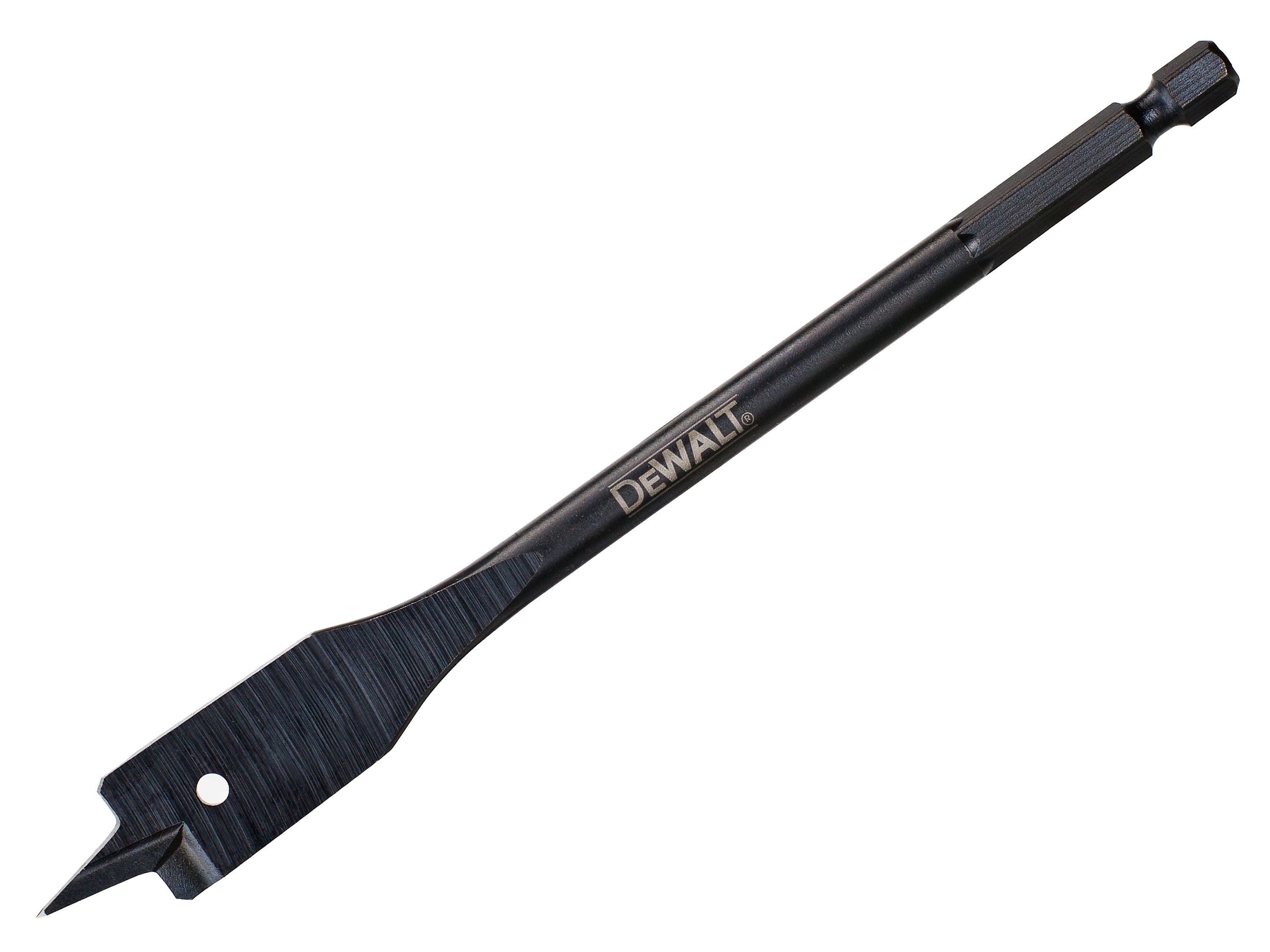
DeWalt DT4770-QZ 24mm Flat Wood Bit
24mm x 152mm for natural timber and suitable manufactured boards.
View at DBR Tools2. Metal Drill Bits: HSS, HSS-G and Cobalt
A high-speed steel (HSS) twist bit is a familiar option for many common metals. Material suitability varies, so check the manufacturer's specification rather than assuming every HSS bit handles every steel. HSS-G normally means a ground HSS bit, with more precisely formed geometry than some roll-forged alternatives. HSS-Co bits contain cobalt in the alloy and are often chosen for tougher or more heat-demanding metals, including some stainless grades, though cobalt content, geometry and application vary.
Are titanium bits made from titanium? Not necessarily. Many are HSS with a titanium nitride (TiN) coating, which is different from a cobalt alloy. The gold colour doesn't tell you what a bit can drill.
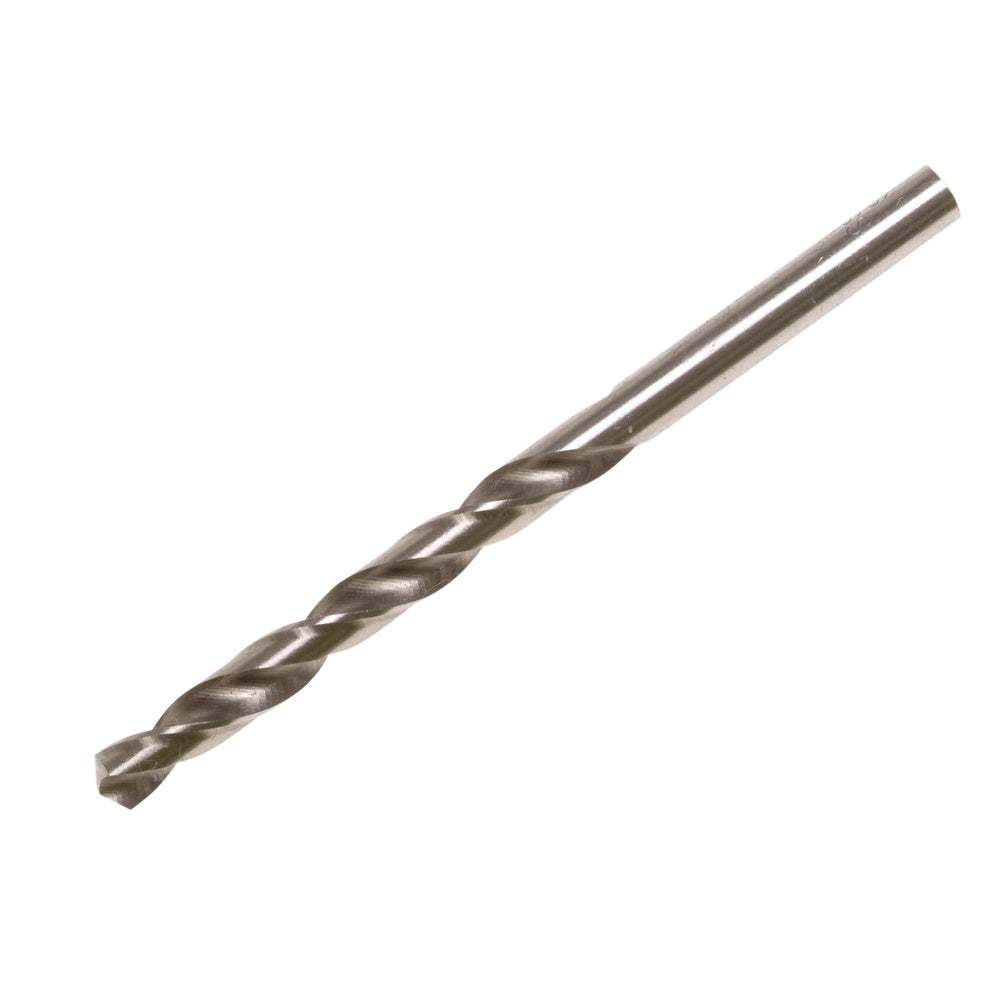
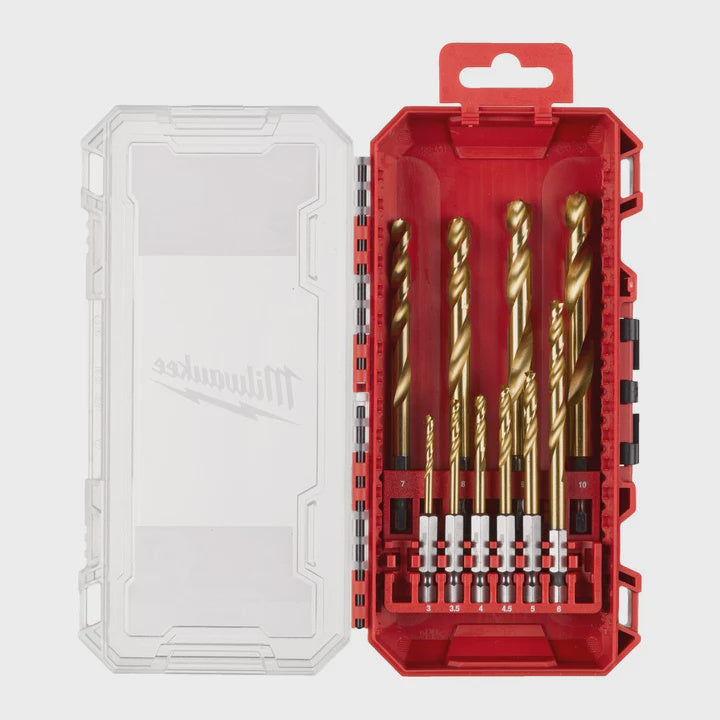
Milwaukee SHOCKWAVE Red Hex HSS TiN 10-Piece Set
Impact-rated 1/4-inch hex TiN-coated metal set, 4932493865. Check your tool's compatibility.
View at DBR Tools3. Masonry and SDS-Plus Bits
Masonry bits have a tough tip for selected building materials, usually carbide, because ordinary metal bits aren't built for abrasive masonry. A masonry bit for a conventional hammer drill isn't automatically an SDS-plus bit.
An SDS-plus bit has a purpose-built shank for compatible SDS-plus rotary hammers, and isn't the same as a round-shank or SDS-max fitting. Bosch's SDS plus-3 range uses carbide cutting edges and a four-flute design for concrete, brick and masonry. Note that a listed 6 x 100 x 160mm bit has a 100mm working length and 160mm overall length, which are not interchangeable. If you own an SDS-max tool, buy bits made for SDS-max.
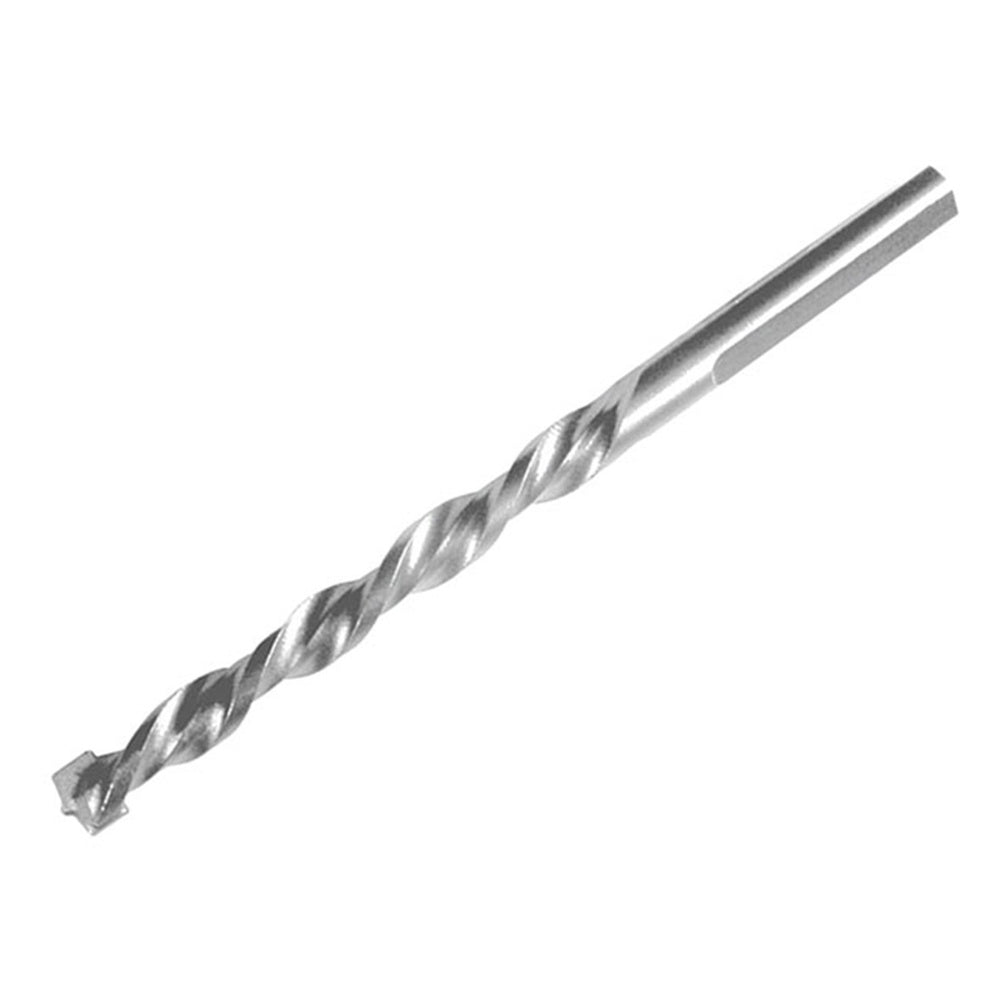
DeWalt DT6675XJ 6 x 100mm Masonry Bit
Carbide-tipped, for brick, masonry and light concrete.
View at DBR Tools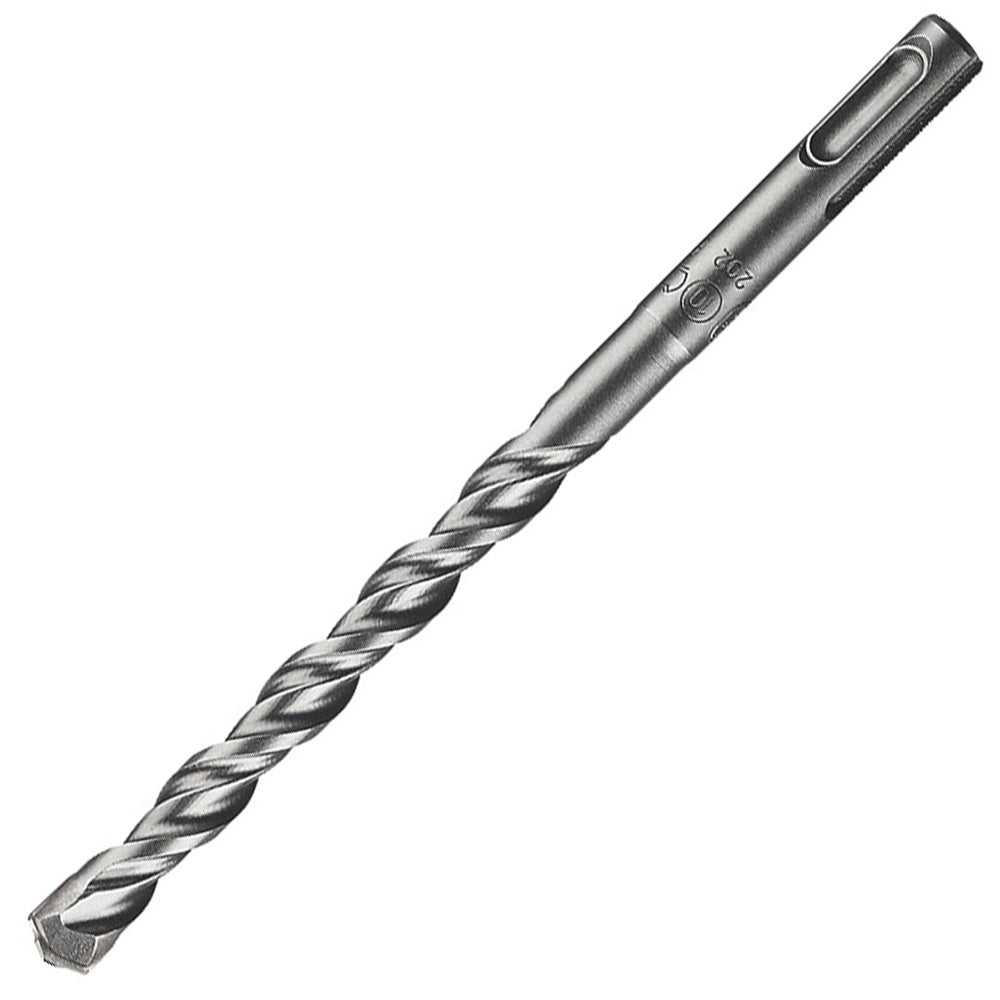
Bosch SDS Plus-3 Masonry & Concrete Bits
For SDS-plus rotary hammers, many sizes. E.g. the 6mm is 100mm working length, 160mm overall.
View at DBR Tools4. Multi-Material Drill Bits: Useful, But Not Universal
Multi-material bits reduce the number of accessories when a job spans compatible surfaces, but their usefulness depends on the exact materials approved by the manufacturer. Bosch lists the EXPERT HEX-9 for concrete, soft ceramic tiles, steel, softwood and plastics. That does not mean any multi-material bit suits hard porcelain, glass or every metal grade: specialist tiles often need an accessory rated for that surface.

Bosch EXPERT HEX-9 Multi Construction Bit
Carbide tip for concrete, soft ceramic tiles, steel, softwood and plastics. 1/4-inch hex shank. Several sizes.
View at DBR Tools5. Drill Bit Shanks: Round, Hex and SDS-Plus
Before choosing a bit, check how it connects to the tool.
Common on conventional twist bits. Check the chuck capacity.
Impact drivers need accessories rated for impact. Check the product rating.
Grooved fitting. Not directly interchangeable with SDS-max.
| Shank | Common matching tool | Key consideration |
|---|---|---|
| Round | Three-jaw chuck | Check chuck capacity |
| 1/4-inch hex | Hex holders and compatible chucks | Use with an impact driver only if rated |
| SDS-plus | SDS-plus rotary hammer | Doesn't interchange with SDS-max |
| SDS-max | SDS-max rotary hammer | Separate system from SDS-plus |
A hex shank alone doesn't prove a bit suits an impact driver. Follow the manufacturer's rating for the accessory and tool.
Diameter is the nominal hole size, overall length the total length and working length the useful cutting length. Don't treat overall length as working length.
6. Individual Bits or a Drill Bit Set?
Individual bits suit a known diameter, material and style, and let you replace a heavily used size. Sets are convenient for mixed tasks, but compare how many bits match your needs and tools, not just the piece count.
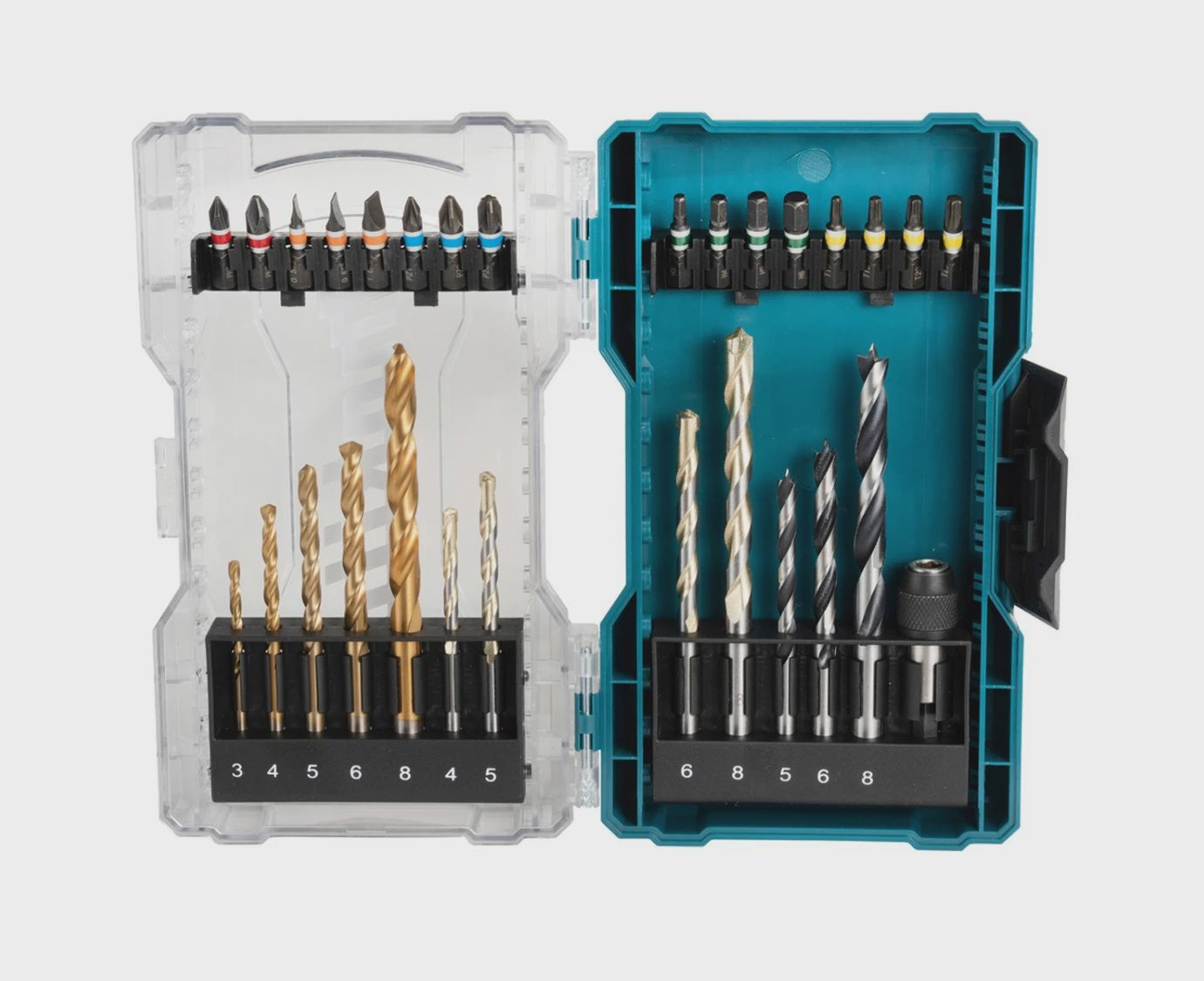
Makita E-07054 29-Piece Bit Set
Mixed wood, metal, brick and screwdriver bits in a case. Not 29 identical bits.
View at DBR ToolsSix Checks Before Buying Drill Bits
- MaterialWood, steel, brick, concrete or tile?
- Shank and chuckRound, hex or SDS-plus compatible?
- DiameterMatch the required hole specification.
- Working lengthCheck useful cutting depth, not just total length.
- Bit designSelect for finish, hardness and application.
- Product ratingCheck manufacturer-approved materials and tools.
Dust and debris. Drilling creates flying debris and, in concrete or brick, hazardous fine dust. HSE notes it can release respirable crystalline silica. Follow the tool and accessory instructions, use suitable dust controls and PPE, and consider hidden services before drilling. If unsure about electrical services or materials, get competent advice.
Frequently Asked Questions
Can one drill bit work on wood, metal and masonry?
Some manufacturer-rated multi-material bits handle several materials, but none suit every surface. Confirm the exact approved materials and the intended tool.
What is the difference between HSS and cobalt drill bits?
HSS is a broad category of high-speed steel bits. HSS-Co is a cobalt-containing alloy, often chosen for more demanding metals. Grade and geometry decide the exact application.
Is an SDS drill bit the same as a masonry drill bit?
Not exactly. SDS describes the shank and fitting system; masonry describes the material application. Many SDS-plus bits are masonry bits, but not every masonry bit has an SDS-plus shank.
Are titanium-coated drill bits better than HSS?
Many TiN-coated bits are HSS underneath. A coating may improve wear, but suitability still depends on the bit design and the material.
Which bit is best for clean holes in wood?
Brad-point bits are often a good choice where clean, accurately located holes matter. For larger openings, spade or Forstner designs may suit, depending on the finish needed.
What drill bit should I buy for concrete?
Choose a manufacturer-rated concrete or masonry bit whose shank suits your drill. For an SDS-plus rotary hammer, use SDS-plus bits; ordinary round-shank masonry bits aren't interchangeable.
Final Verdict: Choose the Bit for the Material and Tool
The best drill bit is the one designed for your job, not the most expensive set. Wood, metal, masonry, tile and mixed materials make different demands on cutting geometry, and tool-holder compatibility matters as much as the tip. Start with the materials you actually work with and compare genuine manufacturer specifications.
Check the exact size, shank and stock before ordering.
Shop drilling accessories