


Both are classes of particle-filtering respirator under EN 149, but FFP3 has tougher filtration and leakage requirements. FFP2 filters at least 94% of standard test particles, FFP3 at least 99%. UK workplace guidance gives assigned protection factors of 10 and 20. Neither guarantees protection if the mask is wrong for the hazard or doesn't fit.
Dust mask markings can be confusing. Are FFP3 masks always better? Does a valve make a mask safer? This guide explains what FFP2 and FFP3 mean and why choosing protection for the known hazard matters more than appearance or price.
FFP2 vs FFP3: Key Differences at a Glance
| Feature | FFP2 | FFP3 |
|---|---|---|
| Standard | EN 149 | EN 149 |
| Minimum filter efficiency (lab test) | 94% | 99% |
| Max. average total inward leakage | 8% | 2% |
| UK assigned protection factor | APF 10 | APF 20 |
| Typical purpose | Particulates where the risk assessment says APF 10 is enough | Particulates where an APF 20 filtering facepiece is required |
| Face-fit test at work | Required for tight-fitting RPE | Required for tight-fitting RPE |
| Protects against solvent vapours or gases? | No | No |
Important: the filtration figures measure the filter medium in the lab. They are not the percentage of contaminants a particular person avoids breathing. Seal leakage, selection, fit, training and maintenance all affect real protection.
What Does FFP Mean on a Dust Mask?
FFP stands for filtering facepiece: a respirator that filters airborne particles, not gases or vapours. EN 149:2001+A1:2009 classifies these half masks as FFP1, FFP2 or FFP3. Check the class and standard markings, the conformity marking and the model's intended use. A disposable mask without a genuine respirator marking should not be assumed to give FFP protection just because it looks similar.
What Is an FFP2 Dust Mask?
An FFP2 must achieve at least 94% filtration in the EN 149 laboratory test, and UK guidance assigns it an APF of 10. That does not make it right for every dusty task. HSE advises a higher level of protection for many woodworking operations involving hazardous wood dust, so selection must come from the task's risk assessment. If that confirms FFP2 is sufficient, a certified, well-fitting FFP2 can be suitable.
What Is an FFP3 Dust Mask?
An FFP3 must achieve at least 99% filtration, and a suitable FFP3 filtering facepiece has an APF of 20. It is the highest of the three EN 149 classes, and HSE points to APF 20 protection for many higher-risk wood-dust and construction-dust tasks.
FFP3 is not automatically safe for every hazardous material. It cannot replace adequate extraction, does not filter gases or solvent vapours, and may be excluded for certain uses by the manufacturer. Unknown or complex exposures need a competent assessment.
Is an FFP3 Mask Always Better Than FFP2?
FFP3 is a higher particulate class, but protection isn't about buying the highest number. A mask that can't seal, clashes with eye protection or is outside its approved applications is ineffective. Consider the actual hazard, required protection factor, fit and manufacturer instructions. Where a job needs APF 20, an FFP2 is not a substitute.
Why Face Fit Matters More Than Appearance
Tight-fitting respirators rely on contact with the face. A mask with an excellent rating can still leak around its edges. Under UK workplace guidance, a tight-fitting respirator must be face-fit tested for the individual wearer, who must also do the seal check each time. A pass for one make, model and size does not apply to another.
Facial hair in the seal area can prevent a proper fit, so loose-fitting powered RPE may need to be assessed. Eye protection must also be compatible: safety glasses should not disturb the seal.
Can FFP2 or FFP3 Masks Protect Against Paint Fumes?
Not against solvent vapours or gases. FFP2 and FFP3 are particle-filtering classes. Some paint processes mix particles, droplets and vapours that need other controls. HSE states that ordinary filtering respirators are unsuitable for spraying isocyanate-containing coatings, which need air-fed breathing apparatus. For any chemical coating, check the safety data sheet rather than relying on an FFP rating.
Does an Exhalation Valve Change the Protection Rating?
No. A valve doesn't turn an FFP2 into an FFP3. It can help exhaled air leave the mask and may reduce heat and moisture, but the class, seal and manufacturer instructions decide suitable use. Where protecting others from exhaled particles matters, a valved mask may not be appropriate.
What Do NR, R and D Mean on a Dust Mask?
The European standard for filtering half masks.
The particle protection class.
NR: single shift. R: reusable per the instructions.
Dolomite test. Optional for NR, required for R.
- NR (non-reusable): for a single shift, per the product instructions.
- R (reusable): approved for more than one shift, subject to the manufacturer's cleaning, inspection and replacement rules.
- D (dolomite): a clogging-resistance test, optional for NR and required for reusable masks.
So FFP3 R D says more than the class alone. Don't assume all R masks share a replacement schedule, or that a disposable mask can be washed and reused.
What Does HSE Recommend for Wood and Construction Dust?
HSE advises controlling dust at source through work methods and extraction. RPE is an additional control, not a reason to neglect prevention. For many wood-dust tasks HSE identifies an APF of at least 20, for example a suitable FFP3 or a half-mask with P3 filters.
A general HSE recommendation doesn't override a manufacturer's restrictions. Where silica, asbestos or other high-risk substances may be involved, don't rely on a consumer buying guide: get a competent assessment and follow specialist guidance.
Dust Masks and Respirators at DBR Tools
These are examples for comparing product types, not blanket recommendations for hazardous tasks. Check each item's certification, fit, suitability and the manufacturer's current instructions before buying.
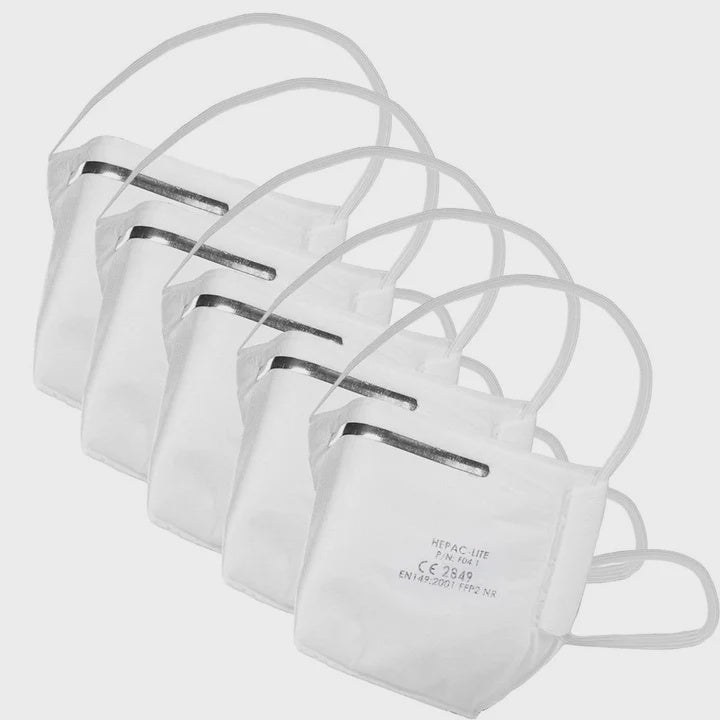
Trend FFP2 HEPAC Mask, Pack of 5
Fold-flat FFP2 with adjustable straps and nose clip. Trend rates it APF 10 for low-risk particulates and excludes MDF and hardwood dust.
View at DBR Tools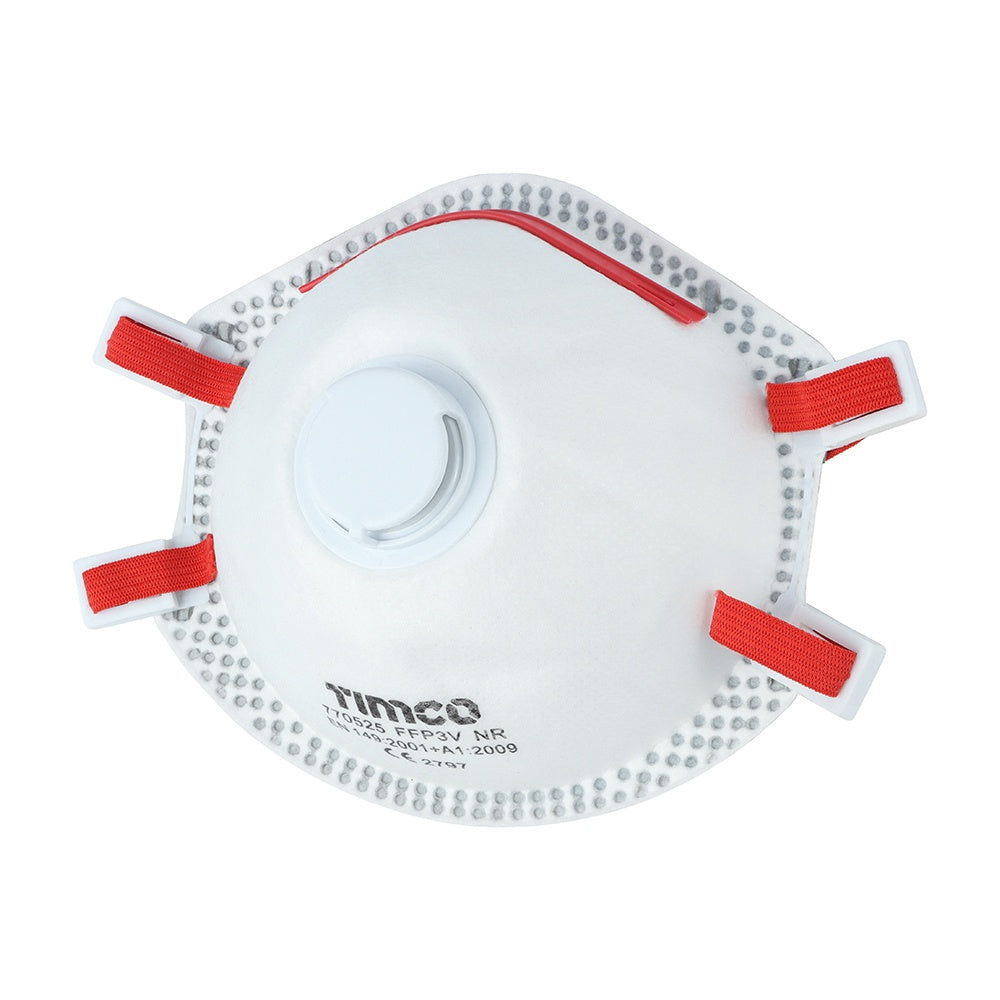
Timco FFP3 Moulded Mask with Valve
Listed as EN 149 FFP3, APF 20, with an exhalation valve and adjustable straps. Pack of 3. The valve does not change the class.
View at DBR Tools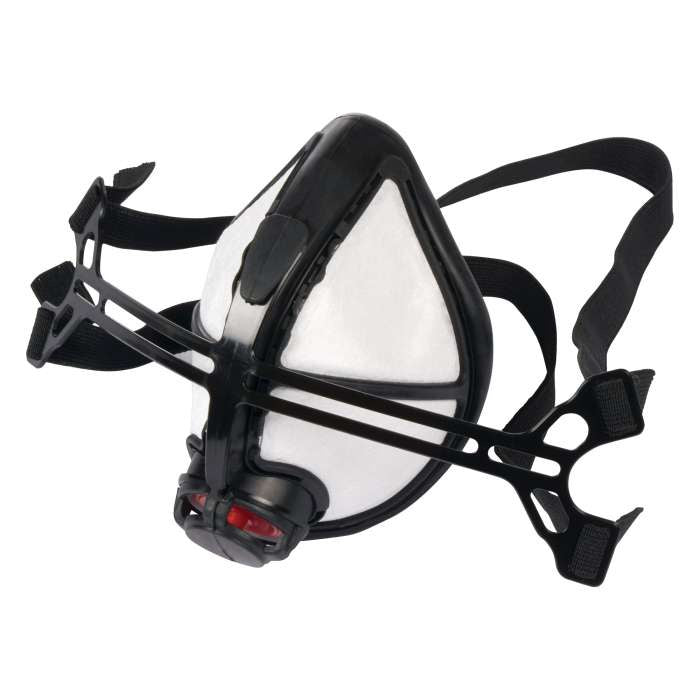
Trend Air Stealth Lite Pro FFP3 R D
Reusable frame with replaceable filters. Trend specifies EN 149 FFP3 R D, APF 20, and says the Stealth range is not suitable for silica dust.
View at DBR Tools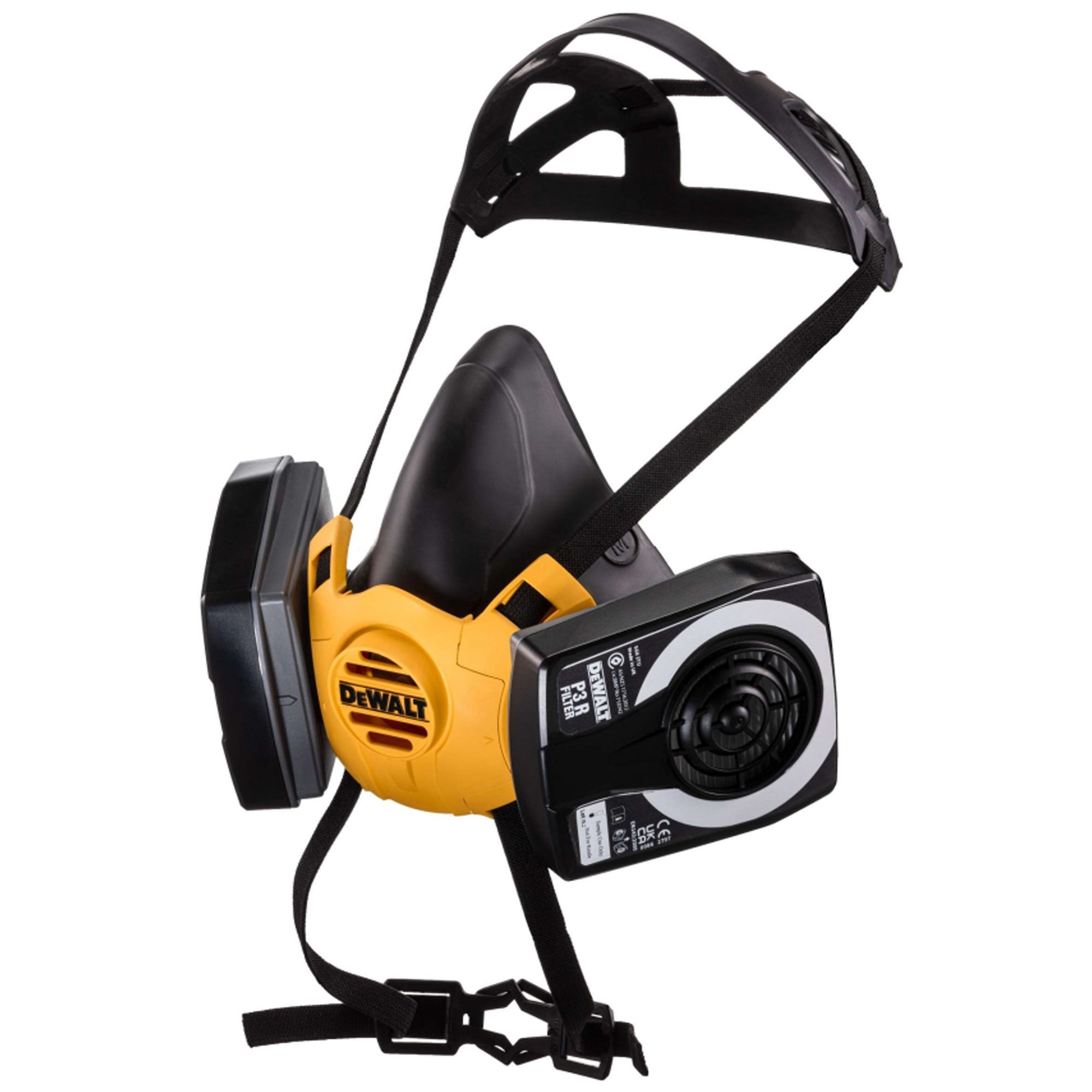
DeWalt Half Mask with P3 Filters
A reusable half-mask with two P3 filters, listed as APF 20. Different standards apply to the mask and filters, so it is not an FFP3 disposable.
View at DBR ToolsReusable half-masks use different facepiece and filter standards from disposable FFP masks, so don't describe them as FFP2 or FFP3. Suitability depends on the assembled respirator and compatible filters. Browse the Safety & Workwear collection.
A Practical Buying Checklist
- Identify the exposureParticles only, or vapours and gases too?
- Prioritise controlsExtraction and safe methods come before a mask.
- Verify the respiratorStandard, class, approved use and exclusions.
- Confirm fitFit test, seal check and PPE compatibility.
This is a buying checklist, not a replacement for occupational risk assessment or respiratory protection training.
Frequently Asked Questions
Is FFP3 twice as protective as FFP2?
The UK assigned protection factors are 20 for FFP3 and 10 for FFP2, but that does not mean every wearer gets exactly twice the real-world protection. Fit, use and exposure conditions decide actual performance.
Can I use FFP2 for sanding MDF?
Don't assume so. HSE generally calls for APF 20 protection for many wood-dust operations, and the Trend FFP2 mask listed above expressly excludes MDF. Choose RPE using the task's risk assessment and the manufacturer's guidance.
Does FFP3 protect against all dust?
No. FFP3 is a particle filter class, not universal protection. The hazard assessment and the product's limitations decide its suitability.
Do I need a face-fit test for an FFP3 mask?
For UK workplace use, tight-fitting RPE requires fit testing, whether FFP2 or FFP3. A user seal check is also needed every time the mask is worn.
What does FFP3 R D mean?
FFP3 is the filtration class, R means reusable under the product's instructions, and D means the dolomite clogging test. Follow the exact model's replacement and maintenance guidance.
Is a valved FFP2 mask equivalent to FFP3?
No. A valve changes the design of the mask, not its EN 149 class. Compare respirators by certification and exposure assessment, not by the valve.
Final Verdict: FFP2 or FFP3?
They are not interchangeable labels. FFP3 offers a higher certified filtration class and a higher UK assigned protection factor, but neither is a universal solution. The goal is a properly selected, well-fitting respirator used with effective exposure controls.
Confirm the hazard, protection level, fit-testing arrangements and manufacturer restrictions before you buy.
Shop safety & workwear