


Ready-mixed filler comes in a tub, needs no mixing and suits small, occasional repairs. Powder filler is mixed with water as you need it, which suits bigger or repeated jobs, and some powders set chemically for deeper fills. The product label decides depth and drying time, not the format.
A wall filler that suits a picture-hook hole may be wrong for a damaged plaster patch. This guide compares the two formats and shows what to check before you buy, using manufacturer information and DBR Tools listings, not hands-on testing.
Ready-Mixed vs Powder Filler: Key Differences
Ready-mixed
Tub, no mixing
Open and use. Good for small touch-ups and first-time decorators.
Powder
Mix with water
Make only what you need. Some formulas set fast or fill deeply.
| Consideration | Ready-mixed | Powder |
|---|---|---|
| Preparation | None; stir if the label says to | Measure water, mix, clean up |
| Best for | Small, occasional repairs | Bigger or repeated jobs, batch control |
| How it hardens | Typically dries as moisture leaves | Some dry; others set chemically (check the label) |
| Wasted product | Reseal the tub to keep it usable | Unused mixed filler is wasted once it sets |
| Deep fills | Only if the label allows; otherwise build in layers | Some specialist powders allow deeper fills |
| Outdoor use | Only if the product says so | Only if the product says so |
What Is Ready-Mixed Filler?
Ready-mixed filler is supplied with its binder and liquid already blended, so you open the tub and use what you need. It suits dents, hairline cracks and small surface defects, and a consistent texture helps first-time decorators. Formulas differ, though: don't assume a ready-mixed product can fill an arbitrarily deep hole. The permitted depth, drying time and substrate come from the exact label.
What Is Powder Filler?
Powder filler is supplied dry and mixed with a specified amount of clean water. The appeal is flexibility: a small batch for one job or more for a wider area, as long as you use it within its working time. Some powders are fast-setting or designed for deeper repairs, while others are ordinary fine-surface fillers. "Powder" doesn't automatically mean stronger, faster or suitable for exterior walls. We don't currently list a powder wall filler in stock, so the examples below are ready-to-use products.
Which Is Better for Small Cracks and Picture-Hook Holes?
For shallow cosmetic blemishes a suitable ready-mixed filler is usually the easiest buy, and one tub covers several minor repairs with no mixing. Powder can be economical for repairs across a whole property if you'll use it before it expires. Either way, first work out whether a crack is cosmetic or keeps returning. A moving joint isn't cured by a hard filler, so diagnose movement or damp before you decorate over it.
What About Deeper Holes and Damaged Plaster?
A deep patch needs a product rated for that depth and substrate. Ordinary finishing fillers can shrink, crack or stay wet if applied too thickly, and instructions may call for several layers with drying between. Lightweight fillers such as the Everbuild One Strike are formulated to fill most holes in one application, but follow the label for the depth it covers. For large, unstable or damp areas, surface filling alone isn't enough. Fix the cause, and get a professional opinion on significant structural damage.
Drying, Sanding and Painting
Surface dry isn't ready to paint. Temperature, ventilation, humidity, how porous the wall is and how thick the patch is all change the time. The Polycell ready-mixed filler is listed as surface dry in 1 to 2 hours, but that isn't a painting schedule. Allow the full recommended interval, sand smooth, and spot-prime if the label advises it. Choose a sanding grade to suit the filler: our sandpaper grit guide explains the numbers.
Four Checks Before You Buy
- SurfacePlaster, masonry, painted wall or exterior render?
- DepthMeasure the deepest part of the repair.
- LocationIndoor only, or exposed to weather?
- QuantityOne small fix or a whole room of repairs?
Wall Fillers at DBR Tools
Examples, not a ranking. Stock is limited, so check the size you want.
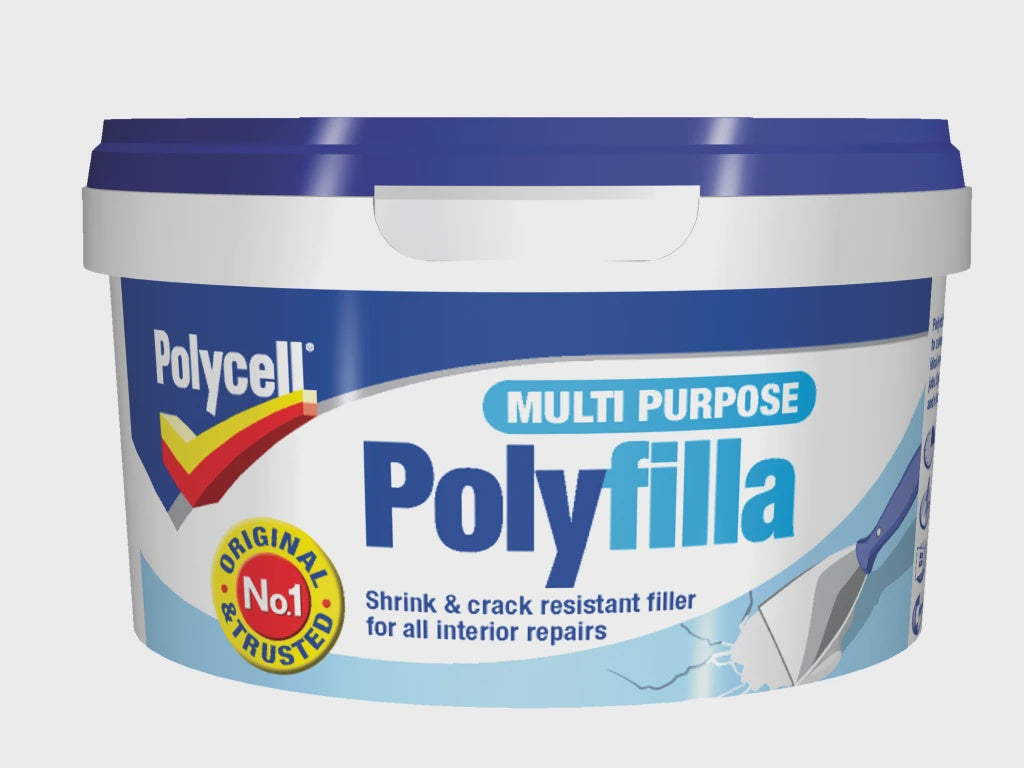
Polycell Multi Purpose Polyfilla Ready Mixed
Ready mixed with binders for adhesion and a fill that won't shrink or crack. Indoor or outdoor use on plaster, masonry, concrete and brickwork. Surface dry in 1 to 2 hours. 600g and 1kg.
View at DBR Tools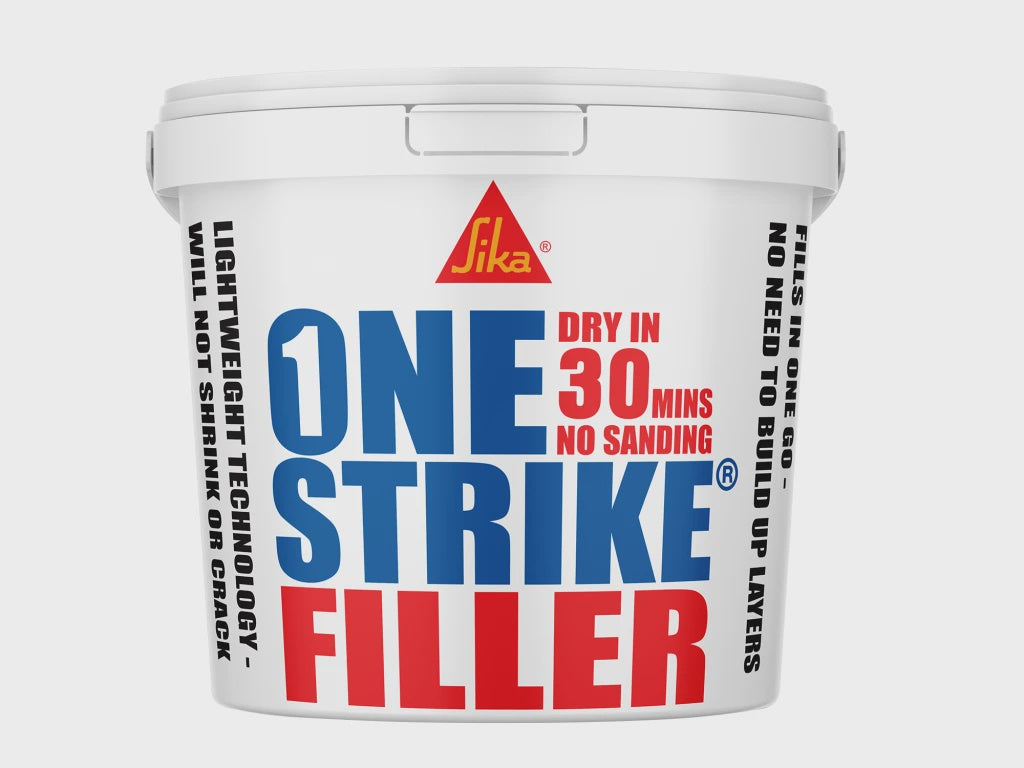
Everbuild One Strike Filler 250ml
A lightweight filler using polymer bubbles, made to fill most holes and cracks in one application, including deep holes, without shrinking, sagging or cracking. Only 2 in stock.
View at DBR ToolsSealing gaps rather than filling holes? Read Is Decorators Caulk Waterproof?.
Ready-Mixed vs Powder Filler FAQs
Is ready-mixed filler slower than powder?
Not as a rule. Drying or setting time depends on the product, layer thickness and conditions. Follow the pack.
Can I use ready-mixed filler outside?
Only if the specific product says it suits the exterior surface and exposure. The Polycell Multi Purpose lists indoor and outdoor use on plaster, masonry, concrete and brickwork.
Is powder filler better for deep holes?
Some specialist powders are made for deeper repairs, but the product specification, not the format, sets the safe maximum depth.
Can I paint as soon as it feels dry?
Not necessarily. Surface dryness isn't full readiness for paint. Use the stated overpainting guidance.
The Bottom Line
Choose on the repair, not the format. A ready-mixed tub is hard to beat for quick indoor touch-ups; consider powder when you have larger or repeated jobs and the specification matches. Always read the depth, drying and overpainting guidance on the label.
Check size, depth rating and stock before ordering.
Shop decorating