


A tool belt is the wearable base; a tool pouch is the storage you hang on it. A belt-and-pouch system suits repeated access to several items, while a single pouch is simpler when you carry only a few. Weight distribution, pocket layout and whether the parts actually fit together matter most.
Some products combine both into one rig; others let you add and swap pouches. This guide uses listing specifications, not hands-on testing.
The Main Configurations
A base for a custom system. Check width and attachment.
A small selection of fixings or hand tools. Check capacity and access.
Separate zones for different items. Watch weight and bulk.
| Setup | Useful when | Watch for |
|---|---|---|
| Standalone belt | You want a base for a custom system | Width and attachment compatibility |
| Single belt-mounted pouch | You carry a small selection of fixings or hand tools | Capacity and access |
| Multiple pouches on one belt | You need separate zones for different items | Overall weight and bulk |
| Ready-made tool rig | You want a complete, matched setup | Flexibility, sizing and included pieces |
Why a Belt Can Be Useful
A good belt gives the support and adjustment a wearable system needs, and may offer attachment loops or fit a maker's modular accessories. The DeWalt DWST1-75651, for example, is fully adjustable with a 2-pin buckle and steel D-ring hangers for braces, but a bare belt adds no storage by itself. The result depends on the holders you add and what you carry.
Why a Pouch Can Be Enough
A pouch puts several pockets in one accessible place, and it can be an upgrade to a belt you already own. The Makita E-15257 holds fixings, pencils and small tools with a hammer holder and is described as sitting on Makita belts, while the Stanley STA180114 has a wide belt slot said to fit most standard belts. Neither claim means a pouch fits every belt.
Capacity Isn't Comfort
An overloaded rig gets bulky and unbalanced. Instead of choosing on pocket count, think about which items you reach for often, how bulky they are and how evenly the weight sits. More pockets can mean better organisation, but also encourage carrying more than you need, and a compact single pouch can be enough for a small assortment.
Fabric, Stitching and Attachment Systems
Descriptions mention polyester, leather, rivets, buckles and metal hardware, each affecting durability and comfort differently. Inspect where stitching sits and how accessible pockets are, not just the material name. Compatibility is the big one: a pouch may be designed for a particular belt width, clip or maker's system, and similar widths don't prove interchangeability.
Tool Belt Buying Checklist
- FasteningConfirm waist adjustment and how the belt fastens.
- What's includedCheck whether the price covers pouches or only the belt.
- AttachmentMatch pouch clip style and belt dimensions.
- EssentialsDecide which items genuinely need to be close at hand.
- MovementThink about walking, bending and carrying weight.
- CareCheck capacity and maintenance instructions.
Fixed Layouts or Modular Systems?
Fixed rigs have a set pocket arrangement, while modular ones let you rearrange, remove or replace accessories, which helps when your work varies but adds compatibility questions. The best value is the setup that fits your routine, not the one with the most accessories. A belt and one small pouch can cover a light requirement, and a larger matched rig earns its place when you often need separate groups of items.
Read what the listing includes. "Tool belt" can mean just a belt, a belt with a clip or a set with pouches. For the DBR Tools examples here, the belt and the pouches are separate listings and don't arrive together.
Belts and Pouches at DBR Tools
Stock is limited, so check before ordering.
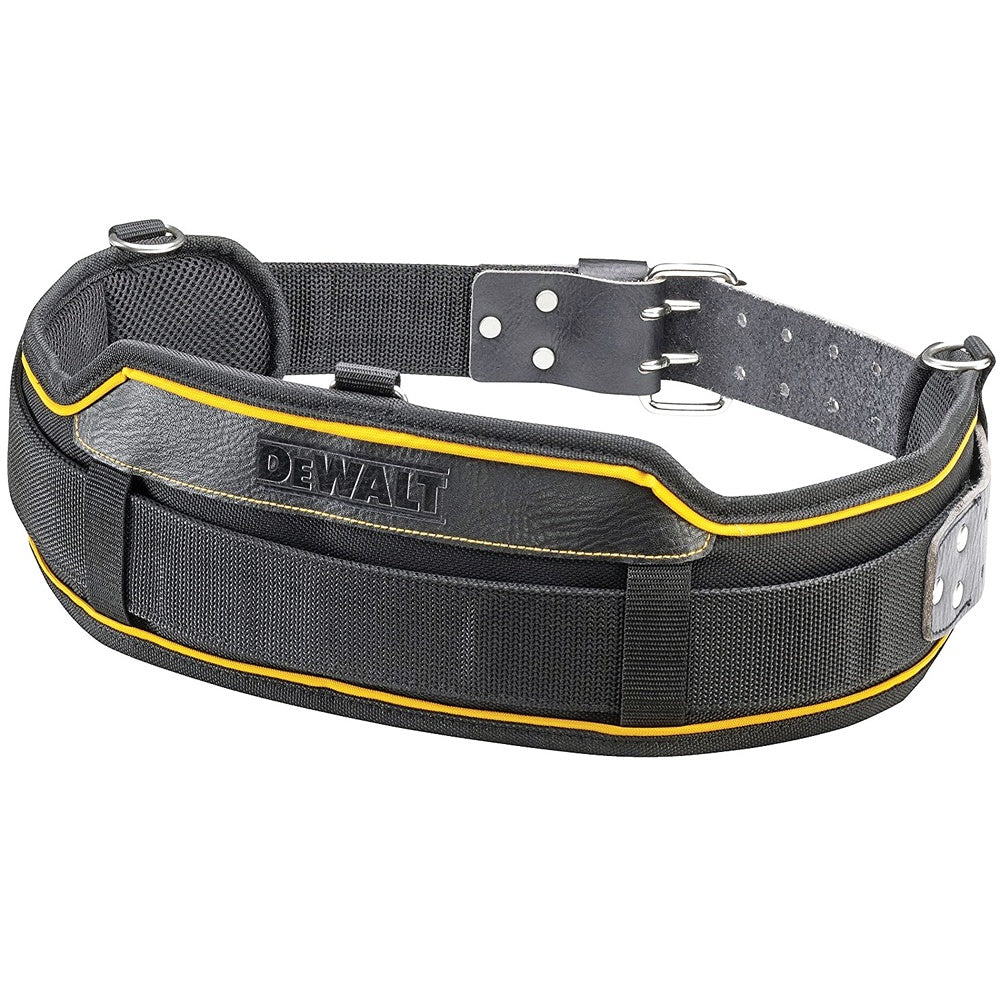
DeWalt DWST1-75651 Heavy Duty Tool Belt
Polyester (1200 denier) with a 2-pin buckle, steel D-ring hangers for braces and a maximum waist of 55in. Sold as a belt only. 2 in stock.
View at DBR Tools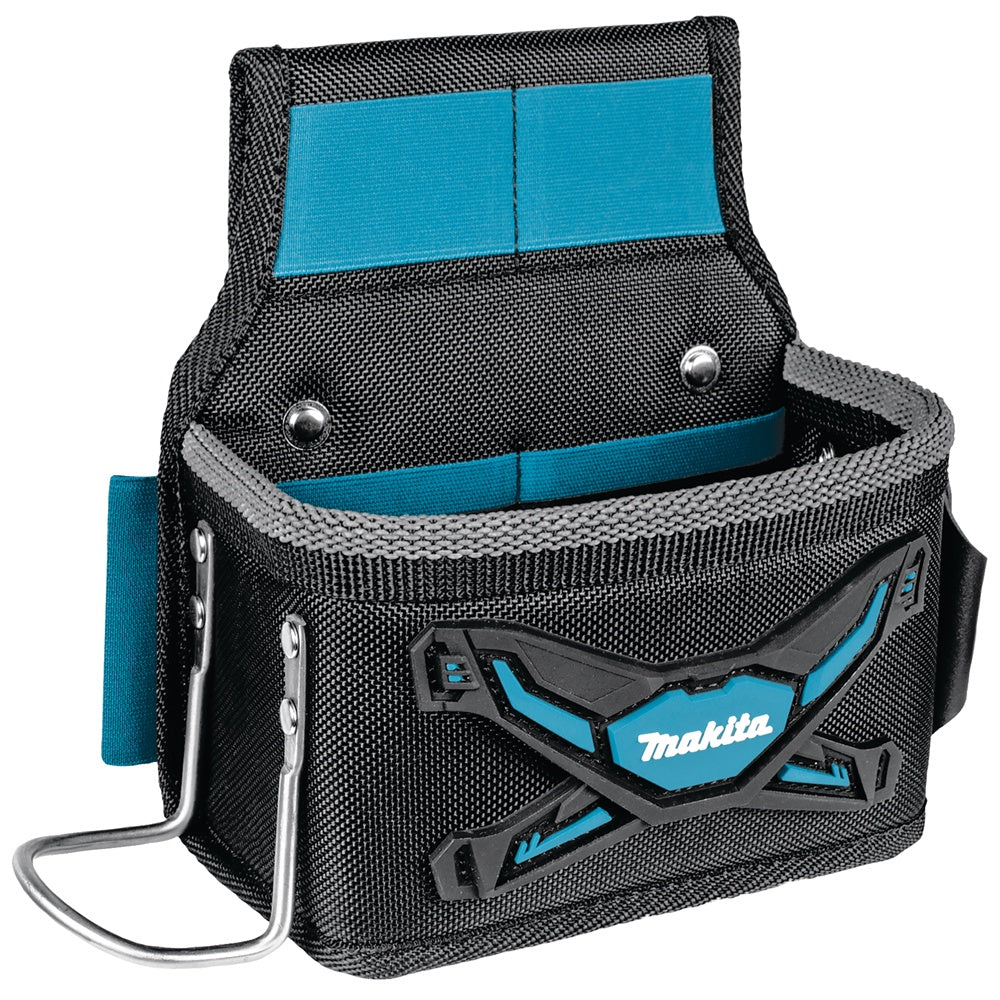
Makita E-15257 Fixing Pouch & Hammer Holder
Holds nails, screws, pencils and small tools, 180 x 105 x 185mm. Makita says it sits on any Makita belt. 2 in stock.
View at DBR Tools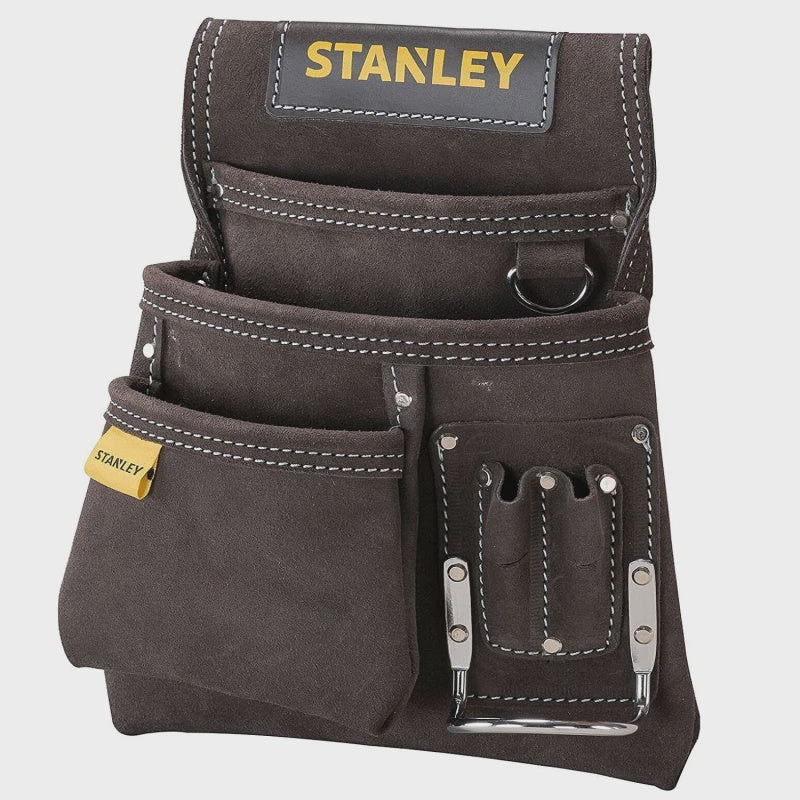
Stanley STA180114 Leather Nail & Hammer Pouch
Suede leather with three main pockets, a metal hammer loop and a wide belt slot that fits most standard belts. 2 in stock.
View at DBR ToolsBrowse the Tool Pouches & Belts collection. For larger storage see Toolbox vs Tool Bag vs Organiser.
Tool Belt vs Tool Pouch FAQs
Is a tool pouch the same as a tool bag?
No. A pouch is typically smaller and may attach to a belt, while a tool bag is designed to carry more between locations.
Can I attach any pouch to any belt?
Not necessarily. Check belt width, fastening mechanism and the maker's compatibility information.
Is a full belt rig better than one pouch?
Only if your work justifies carrying several groups of items. Otherwise a lighter setup may be easier.
Should I buy a belt before pouches?
If the pouch needs a belt, confirm the attachment system first. Some pouches can also be used on their own.
The Bottom Line
Start with what you genuinely need within reach, then check the parts fit together. A belt and one good pouch cover many jobs; add more only when your routine needs it.
Check attachment, capacity and stock before ordering.
Shop tool pouches and belts