


Standard woodscrews are commonly chosen for dry interior joinery, furniture and general timber fixings. Decking screws are intended for outdoor woodwork, with a material, coating and design suited to weather and the specific timber. Not every woodscrew is indoor-only, and not every screw sold for decking suits every outdoor environment, so the manufacturer's specification should decide.
Choosing a screw seems simple until the project moves outdoors. Two fixings can look similar but differ in corrosion resistance, drive recess, head design and intended application. This guide explains the difference and how to read the specification, using manufacturer information, not hands-on testing.
Wood Screws vs Decking Screws: At a Glance
Ordinary woodscrew
Usually dry interior joinery
Finish and thread vary by manufacturer. Don't assume outdoor corrosion resistance.
Decking screw
Designed for outdoor timber exposure
Material or coating must match the site, and some systems need special drivers or jigs.
| Feature | General-purpose woodscrews | Decking screws |
|---|---|---|
| Typical application | Interior joinery, cabinetry and furniture | Outdoor deck boards and suitable exterior timber |
| Corrosion resistance | Depends on material and finish; many are for dry interiors | Must match outdoor exposure, timber and conditions |
| Head design | Countersunk and other designs | Countersunk or specialised concealed-fixing heads |
| Drive type | Commonly Pozi, Torx or another recess | Often Torx or a system-specific recess, but varies |
| Interchangeable? | Only if the specification supports the new use | Only if suitable for the timber, environment and connection |
The categories overlap. An exterior-rated woodscrew may suit some decking work if its maker permits it, and a specialised concealed decking screw may need a matching jig and shouldn't be treated as an all-purpose fastener.
A woodscrew is a threaded fastener for wood or wood-based materials, in many lengths, diameters, heads, threads, coatings and drives. For dry interior work, ordinary woodscrews may suit furniture, trims and general joinery, subject to the application and any structural requirements. A decking screw has to cope with moisture, timber movement and potentially corrosive conditions, so it differs in corrosion protection (an exterior coating or a suitable stainless grade, which are distinct solutions with different limits), head design (flush surface fixing or a concealed system), recess and tooling (Torx, square drive or a specific jig), and the timbers the maker approves, such as softwood, hardwood or pressure-treated.
Can You Use Normal Wood Screws Outdoors?
Only where the specific screw is approved for the intended exterior conditions. An interior-rated plated woodscrew shouldn't automatically go into a permanently exposed deck or treated timber. Moisture and timber chemistry can cause corrosion or staining, and a screw that works in a dry cabinet may fail in rain-exposed decking. Even sheltered outdoor joinery can get wet. A salt-spray claim is a particular laboratory result, not a guarantee of service life in every outdoor environment.
Stainless Steel vs Coated Decking Screws
Interior-rated woodscrews. Moisture exposure is limited. Confirm head, length and thread.
Use approved exterior fasteners, consider timber treatment and check the coating's suitability.
Select weather-rated fixings, A2 or A4 stainless as specified, and consider coastal or corrosive sites.
Stainless steel is often specified for exposed timber, but A2 and A4 aren't identical grades, and demanding exposure such as some coastal or chemical sites may need a particular grade or an engineered system. SPAX advises corrosion-resistant stainless fasteners for its decking systems and highlights the effect of tannin-rich woods and coastal conditions, which is guidance for particular applications, not permission to substitute any stainless screw for a rated structural fastener. Exterior-coated steel screws can suit applications approved by their maker, but coatings differ in composition, claimed performance and suitability. Trend's ceramic coating is salt-spray tested to 1,000 hours, yet that doesn't prove it's right for marine exposure, every treated timber or all structural deck designs. Choose by the actual approved exposure, timber and application, not stainless-versus-coated alone.
What Do Head Type, Drive and Thread Mean?
Head shape: countersunk screws sit flush in compatible materials, and a concealed decking system may specify its own head geometry. Drive recess: Pozi, Torx and Robertson square drive aren't interchangeable, and a proprietary deck system may need a bit or accessory not included with a general screw pack. Thread pattern: full and partial threads, pitches and points serve different jobs, and no thread is universally best. Size: screws are described by diameter and length, such as 4.5 x 65mm, but the right choice also depends on timber dimensions, the fixing's role and any published load data. For structural decking or safety-critical work, follow the project design and the supplier's guidance, since a generic length rule can't replace an engineered specification.
Screws and Deck Fixings at DBR Tools
Interior joinery: the Concept XR is an internal woodscrew. Surface-fixed decking: the Timco C2 is sold for decking and outdoor structures. Concealed fixing: the Trend screws are made for the Trend jig, so buy them as a system and don't treat them as generic deck screws. Stock is limited, so check availability and the exact pack.
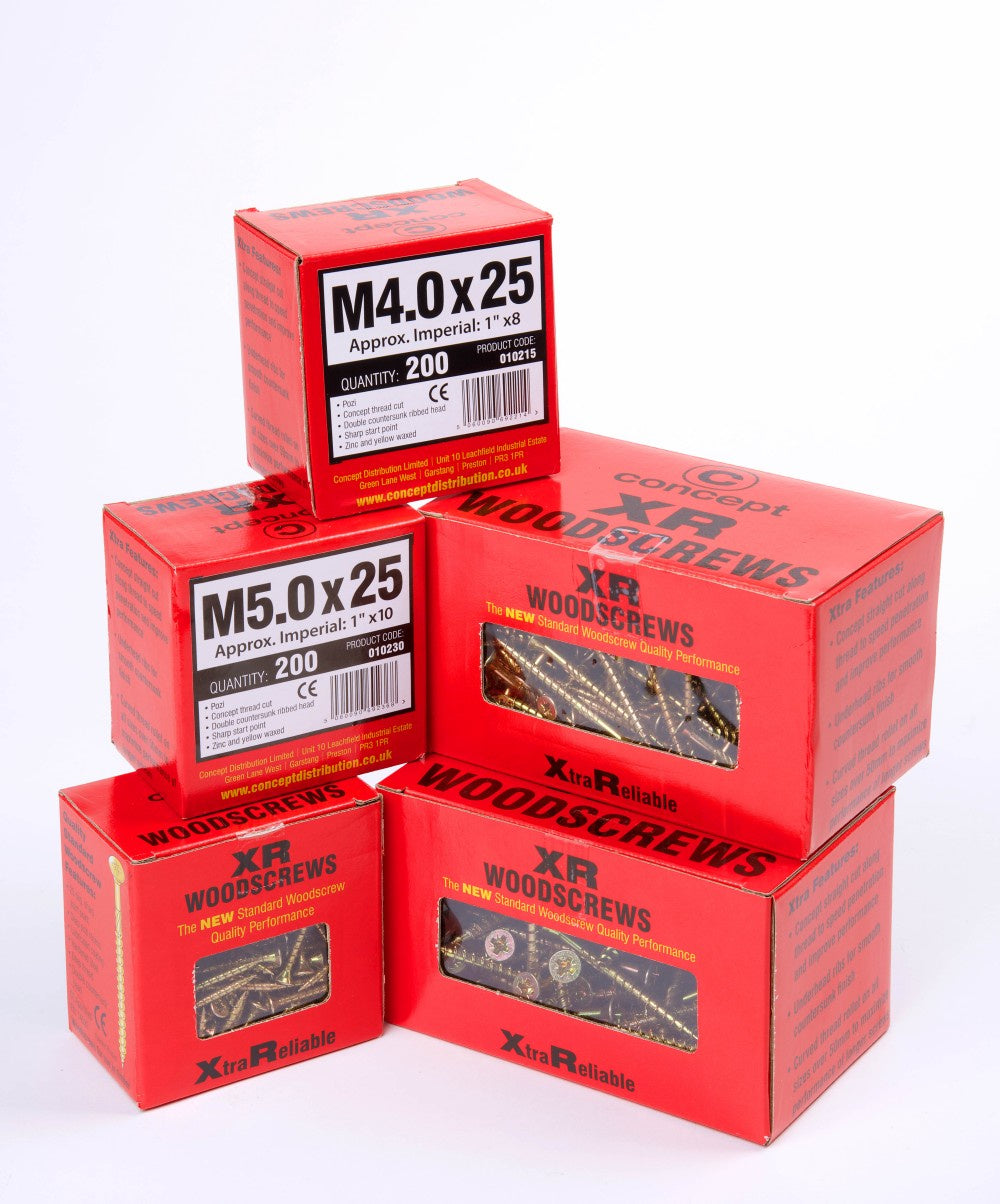
Concept XR Woodscrews
Hardened steel internal woodscrew with a deep Pozi recess and double countersunk collar, for joinery, furniture and general woodworking. M3.5 to M6, packs of 200 up to 80mm and 100 from 90mm.
View at DBR Tools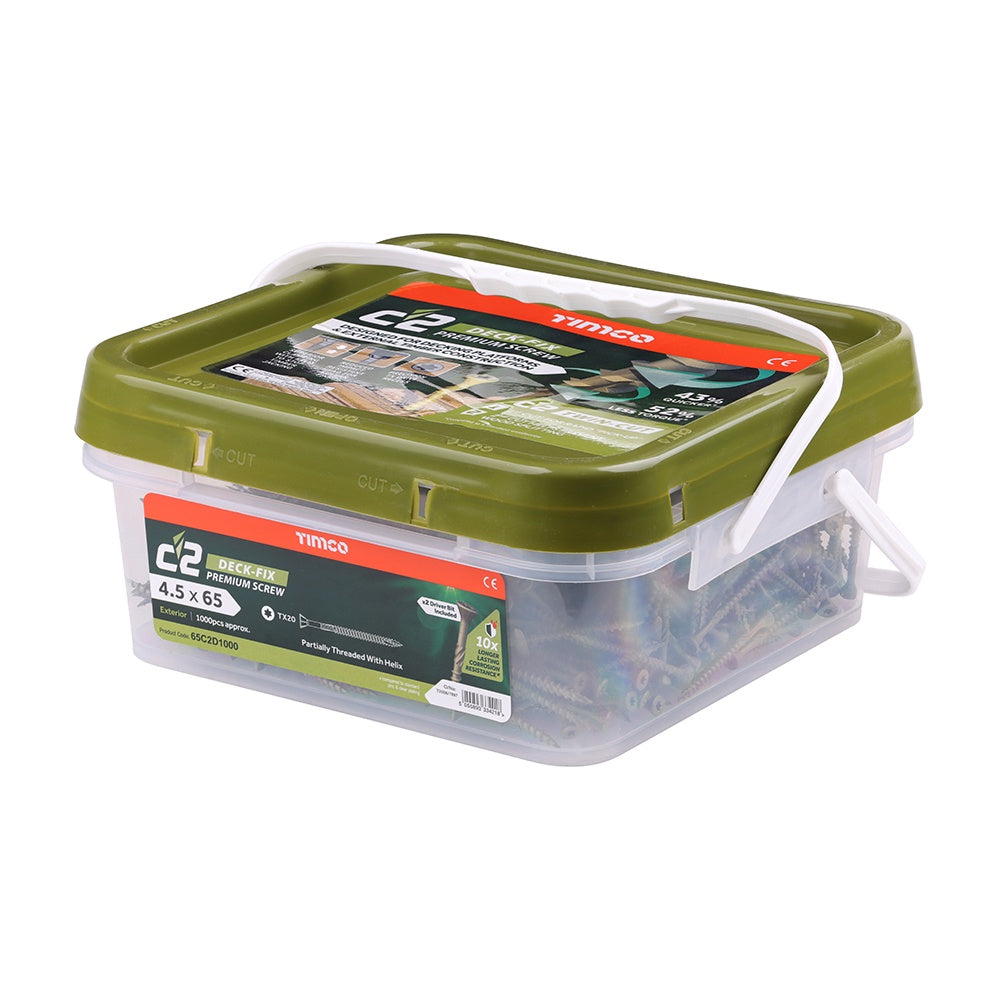
Timco C2 4.5 x 65mm Deck-Fix TX Screws, 1000
Green-coated, countersunk TX20 deck screws for surface-fixed decking and outdoor structures. Timco rates the coating 3 on its 1 to 5 scale, for urban and industrial areas with a low salt atmosphere.
View at DBR Tools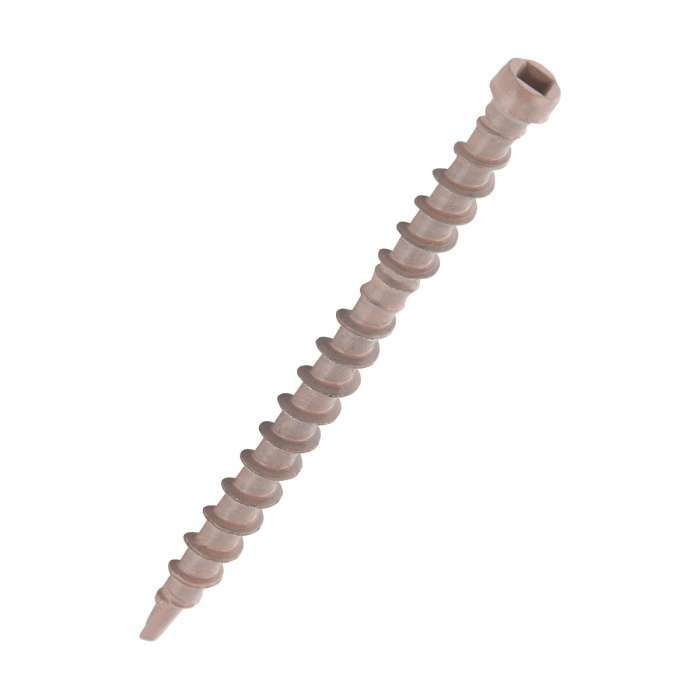
Trend DK/10X60/750 Ceramic Coated Deck Screws, 750
Self-drilling 60mm screws with a Robertson No.1 square drive, made for the Trend DK/JIG concealed-fixing system in softwood decking up to 38mm thick. Salt-spray tested to 1,000 hours.
View at DBR Tools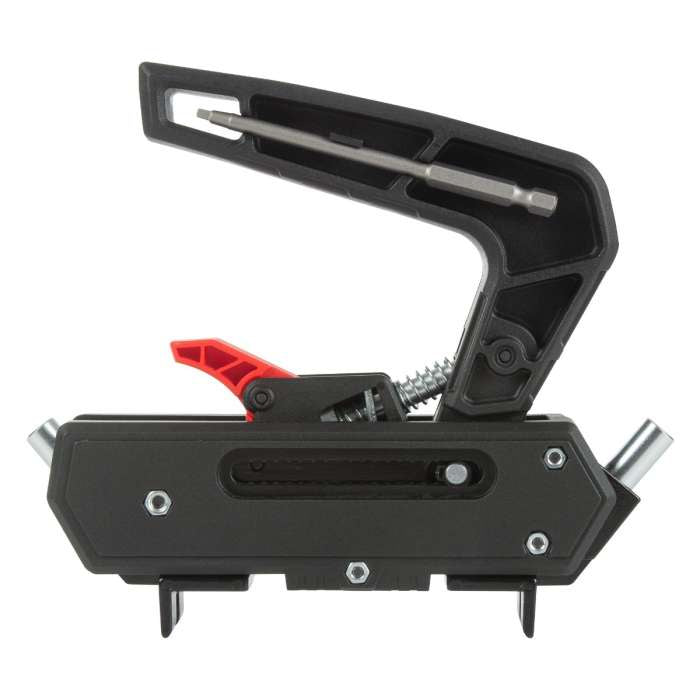
Trend DK/JIG Concealed Screw Deck Jig
Sets board gaps of 3.5, 4.5, 5.5 or 6.5mm and clamps to boards 90 to 150mm wide. Includes a Robertson No.1 driver bit. Buy it with the matching Trend screws.
View at DBR ToolsFor other fixings, browse Fixings & Consumables. If you need a specific A2 or A4 stainless grade that isn't confirmed in a listing, don't swap in an unverified alternative just to keep the order with one supplier.
Six Checks Before Buying Timber Screws
- Intended locationDry interior, sheltered or fully exposed.
- Timber and treatmentCheck manufacturer guidance for the timber.
- Fastener materialCoated steel, A2 or A4 as appropriate.
- Head and driveConfirm a compatible bit and recess type.
- Size and fixing roleMatch the specification to the materials and design.
- Installation systemCheck whether a dedicated jig or fixing system is required.
Common Buying Mistakes
- Choosing an interior-rated fixing because the length and diameter seem right.
- Treating all yellow, silver or bronze screws as equally corrosion resistant.
- Assuming any "decking" screw suits all timber treatments or coastal sites.
- Overlooking proprietary drive or jig requirements.
- Using an arbitrary size for a structural connection.
- Reading salt-spray hours as expected outdoor life.
Frequently Asked Questions
Are decking screws stronger than ordinary wood screws?
Not necessarily. Strength depends on the actual product, steel or stainless grade, geometry, manufacturing standards and intended application. A decking label alone doesn't establish higher strength.
Can I use decking screws for indoor woodworking?
Possibly, if the fastener suits the material and connection. But specialised decking screws may have a head or recess intended for a particular system, and may be unnecessary for ordinary interior work.
Do decking screws rust?
They can. Corrosion behaviour depends on the fastener material, coating, timber chemistry and exposure. Even stainless steel isn't equally resistant in every environment.
Are decking screws always stainless steel?
No. Some are exterior-coated steel, while others are made from an appropriate stainless grade. Check the actual material and relevant approvals.
Is a 1,000-hour salt-spray claim equal to a 1,000-hour outdoor lifespan?
No. Salt-spray testing is a controlled laboratory method and isn't a direct prediction of real-world service life.
Are Pozi, Torx and square-drive bits interchangeable?
No. Each recess needs a compatible driver profile and size. Use the exact specification from the fastener manufacturer.
Final Verdict: Choose for the Environment, Not Just the Screw Shape
For dry interior joinery, a correctly specified ordinary woodscrew may be all you need. For exterior decking, corrosion performance, timber compatibility and the manufacturer's intended fixing system matter far more. Compare material, finish, dimensions, drive type and approved application before buying, especially for treated wood, exposed decking and concealed-fixing systems.
Check the exact specification, pack size and stock before ordering.
Shop fixings