


On the same 18V platform, a 5Ah battery stores about 2.5 times the nominal energy of a 2Ah battery. That generally suits longer stretches between charges, while a 2Ah pack can be lighter and handier for compact tools and shorter tasks. Amp-hours are a capacity rating, not a guarantee of runtime or motor power.
Choosing a spare battery can be confusing. Is 5Ah more powerful than 2Ah? Is 4Ah a sensible middle ground? Will any 18V battery fit any 18V tool? This guide explains what the numbers mean and what to check before you buy, using manufacturer information, not hands-on testing.
What Does Ah Mean on a Power Tool Battery?
The battery system's nominal voltage, such as 12V or 18V.
Electrical charge capacity.
Approximate stored energy: V x Ah. For example, 18V x 5Ah = 90Wh.
Ah stands for amp-hours, a measure of charge capacity. A larger rating generally means a battery can supply a given current for longer under comparable conditions, but that doesn't mean a 5Ah pack gives exactly 2.5 times the working time of a 2Ah pack. Tool efficiency, workload, electronics, chemistry, temperature and usable discharge limits all matter. Watt-hours (Wh) = nominal voltage (V) x amp-hours (Ah) is the useful way to compare nominal energy.
2Ah vs 4Ah vs 5Ah: Quick Comparison
| Battery rating | Nominal energy at 18V | Share of 5Ah | Practical advantage | Main consideration |
|---|---|---|---|---|
| 2.0Ah | 36Wh | 40% | Often compact and easy to handle | Less stored energy per charge |
| 4.0Ah | 72Wh | 80% | A middle ground between capacity and handling | Size and weight depend on the pack design |
| 5.0Ah | 90Wh | 100% | More energy for longer or demanding work | May be bulkier or heavier |
These are calculated energy figures, not measured operating times, and only compare packs at the same nominal voltage. A 12V 5Ah battery isn't equivalent to an 18V 5Ah battery, and the systems aren't automatically interchangeable.
Why choose 2Ah: a compact pack can suit installers using a drill driver or impact driver where balance matters, and works as a spare for short jobs. DeWalt describes its DCB183 2Ah as a lighter, cost-effective option for precision second-fix work, which is a statement about that design, not every 2Ah pack. The trade-off is more frequent charging during long sessions. Why choose 4Ah: more energy than 2Ah without jumping to 5Ah, such as the DeWalt DCB182. Why choose 5Ah: 90Wh against 36Wh means fewer interruptions on regular professional work or longer projects, though a larger pack may add weight and change a tool's balance.
Does 5Ah Mean More Power, Weight or Charging Time?
Power: not automatically. Ah describes capacity, while a battery's ability to supply current under load also depends on its cells, internal resistance, electronics and temperature limits, plus the tool's motor and controls. DeWalt's POWERSTACK packs use pouch-cell technology, and the maker distinguishes power delivery from runtime and size, so don't rank batteries by Ah alone. Weight: often heavier at higher capacity, but not always, since cell design and packaging matter. Check the maker's stated weight for the exact model. Charging: a bigger pack may take longer on the same charger. DeWalt lists roughly 30 minutes for the DCB183 2Ah and 75 minutes for the DCB184 5Ah on its DCB1104 charger. Those times are specific to those models and that charger, so don't copy them to other combinations.
Can You Use a 5Ah Battery in a Tool Supplied With a 2Ah Battery?
Often yes, if the batteries belong to the same compatible system, since the pack in a kit isn't always the only capacity that suits the tool. But 18V doesn't mean universal compatibility: a Makita 18V LXT battery can't be assumed to fit a DeWalt 18V XR tool, and separate ranges within one brand may have different interfaces and chargers. Check the exact tool model, battery platform and approved charger.
| Feature | DeWalt 18V XR | Makita 18V LXT |
|---|---|---|
| Examples | DCB183, DCB182, DCB184 | BL1820B, BL1850B |
| Interchangeability | Within the approved XR system | Within the approved LXT system |
| Cross-brand fit | Not interchangeable with LXT | Not interchangeable with XR |
The platform matters before any comparison of capacity. If you already own tools and a charger from one system, a compatible spare is usually a better buy than starting an unrelated platform.
18V Batteries at DBR Tools
These are examples, not a ranking. The DeWalt DCB183 2Ah isn't listed in stock at the moment, so the compact option shown is the POWERSTACK 1.7Ah. Stock and kit contents change, so check before ordering.
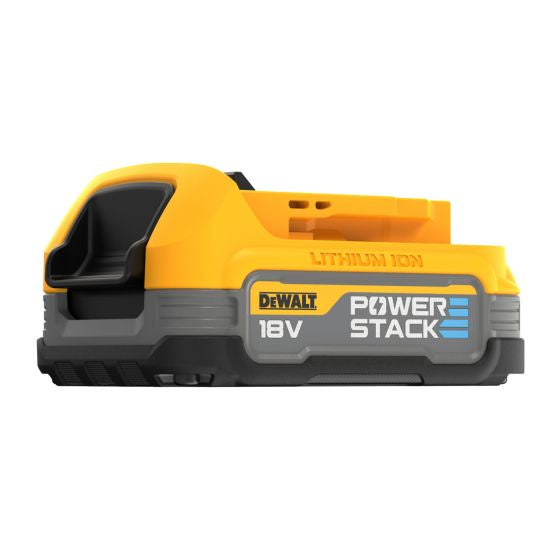
DeWalt DCBP034 18V 1.7Ah XR POWERSTACK
Pouch-cell pack that DeWalt says is 25% more compact and 15% lighter than the DCB183 2.0Ah. A compact option, and a good example of why Ah alone doesn't describe a battery.
View at DBR Tools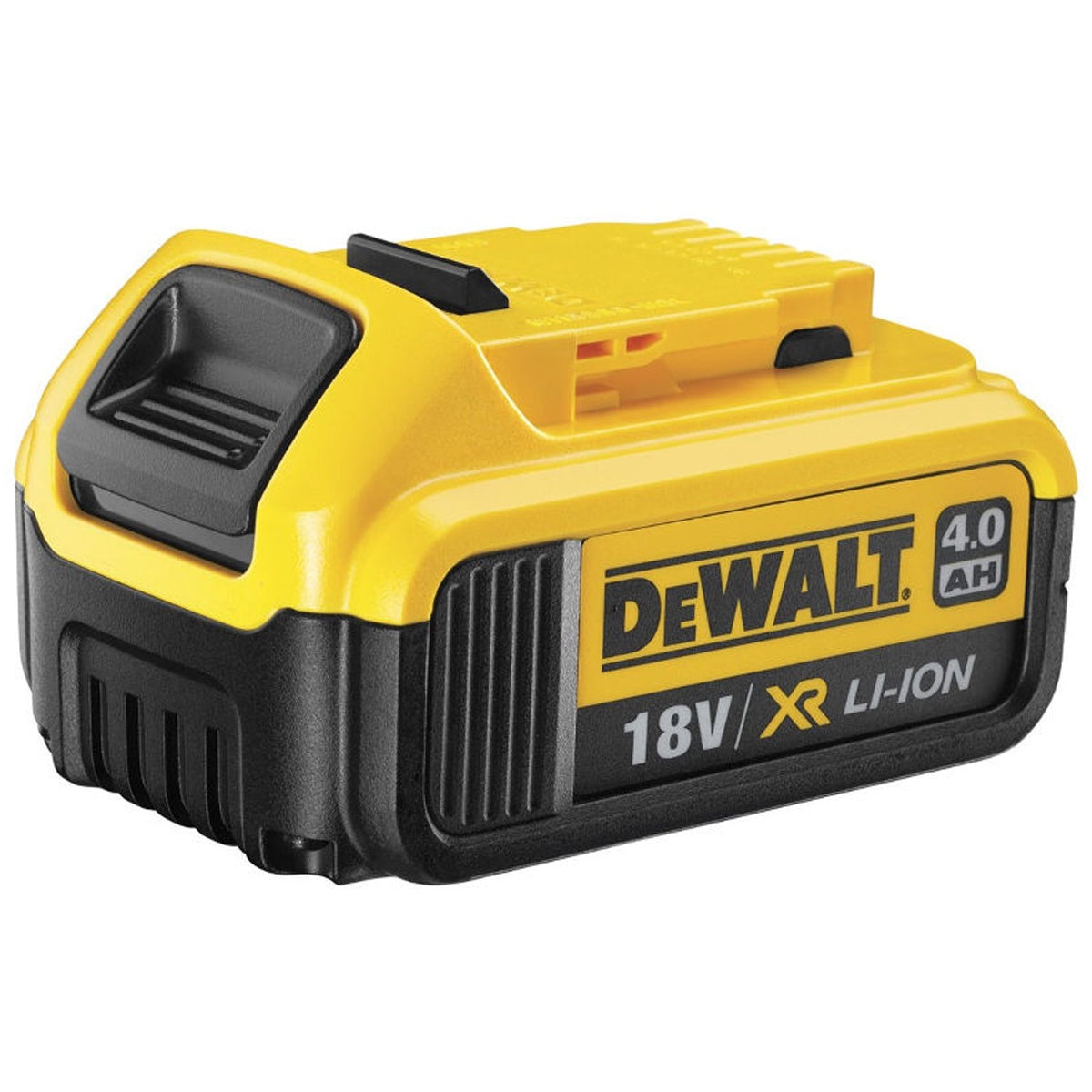
DeWalt DCB182 18V XR 4.0Ah
A conventional XR pack for compatible DeWalt 18V tools, for when you want more capacity than 2Ah without making 5Ah your default.
View at DBR Tools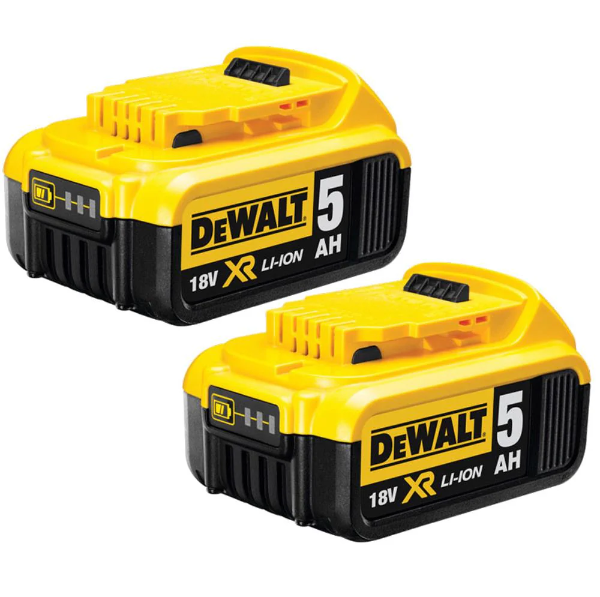
DeWalt DCB184 18V XR 5.0Ah Twin Pack
Two 5Ah XR batteries, handy for keeping a spare ready while the other charges.
View at DBR Tools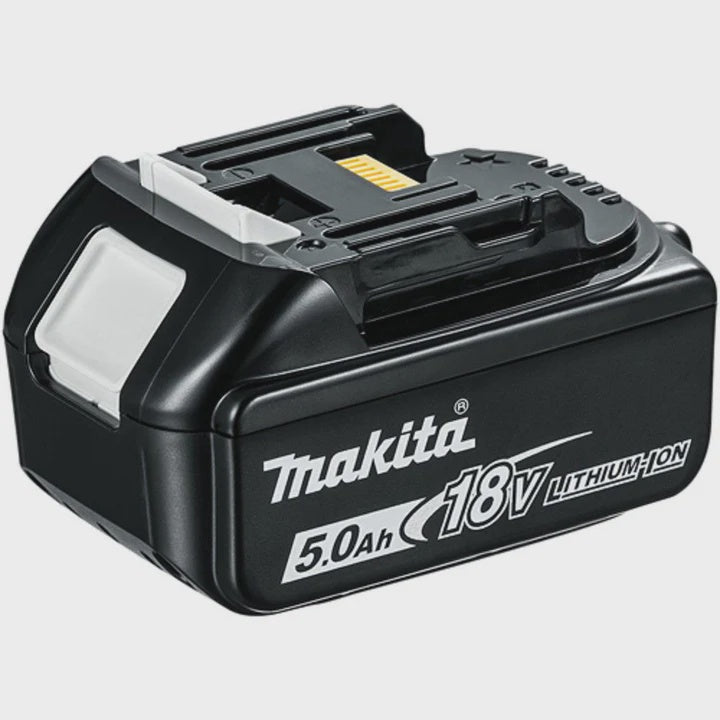
Makita BL1850B 18V LXT 5.0Ah
A genuine 18V LXT 5Ah battery, listed as single or twin pack. Confirm compatibility with your exact Makita tool and charger.
View at DBR ToolsStill deciding? Browse Batteries & Chargers and match your existing tool platform.
Six Things to Check Before Buying a Replacement Battery
- Battery platformMatch the exact tool and charger system.
- CapacityCompare Ah or Wh only at the same nominal voltage.
- Weight and balanceA compact pack can suit precision work.
- Battery technologyCapacity alone doesn't describe power delivery.
- What is in the boxA body-only tool, single pack, twin pack and kit are different purchases.
- Genuine supplyUse verified, approved batteries and chargers.
Battery safety. Follow the maker's handling and storage instructions. Don't use damaged, swollen or otherwise abnormal battery packs, and seek qualified advice if a battery or charger shows signs of a fault.
Frequently Asked Questions
Is 5Ah better than 2Ah for a drill?
It can be better when longer time between charges is the priority. A 2Ah pack may suit where compact handling matters. Check compatibility and the particular battery design first.
Does a 5Ah battery last twice as long as a 2Ah battery?
Not as a guaranteed runtime claim. At the same voltage, 5Ah is 2.5 times the nominal capacity of 2Ah, but actual working time depends on the tool, load, pack design and conditions.
Is a 5Ah battery more powerful than a 4Ah battery?
Not necessarily. The 5Ah pack has more nominal capacity at the same voltage, but maximum deliverable power depends on more than Ah alone.
Can I use a 5Ah battery instead of a 2Ah battery?
Often, if the manufacturer approves the larger pack for the same battery platform and tool model. Voltage alone isn't enough to establish compatibility.
What is the difference between 18V and 5Ah?
18V is nominal voltage and 5Ah is charge capacity. Together they indicate 90Wh of nominal energy, but not an exact runtime.
Which battery size is best for everyday DIY?
A compact battery suits short, lighter tasks, and a higher-capacity pack reduces interruptions on longer jobs. The right choice depends on your compatible tool, how often you use it and how much size or weight matters.
Final Verdict: 2Ah, 4Ah or 5Ah?
Choose 2Ah when compact handling and shorter tasks matter most, 4Ah for a middle ground, and 5Ah when more stored energy and fewer battery changes are the priority. These are starting points, not rigid rules, since cell technology and tool requirements can change the balance. The best battery is the one your tool and charger are designed to accept, with the capacity that suits your work.
Check platform, pack contents and stock before ordering.
Shop batteries and chargers