


A countersunk screw has a conical underside that sits flush with, or just below, a matching recess. A pan head has a flat bearing underside and a low rounded top that stays proud, which suits brackets and plates. Head shape and drive type are separate choices, so match both, plus length, material and finish.
Head profile affects how a screw seats, how the surface looks and how it clamps. This guide explains the shapes and where each makes sense, using fastener-maker information. It can't replace the fixing schedule for a load-bearing bracket or safety-critical assembly.
Countersunk vs Pan Head Screws at a Glance
Countersunk
Conical underside
Seats flush in a matching recess for a smooth surface. Common in timber and countersunk metal holes.
Pan head
Flat underside, rounded top
Stays above the surface with a flat bearing face. Common on plates, brackets and fittings.
| Consideration | Countersunk | Pan head |
|---|---|---|
| Underside | Conical | Flat bearing face |
| Sits | Flush or slightly below | Proud of the surface |
| Often chosen for | A flat finish, timber, decking | Fixtures, plates, hardware |
| Needs | A matching recess or countersink | A flat or non-countersunk hole |
| Not to confuse with | Raised countersunk | Wafer, button and hex washer heads |
What Is a Countersunk Screw?
A countersunk head is shaped to fit a tapered recess, so it can sit flush with or just below the surface once matched to the fixture. That suits work needing a smooth, unobstructed face. It doesn't mean every screw should be buried in every material, because the substrate and joint design must support the screw chosen. Some ranges use a double-countersunk design: Timco says its Classic screws' version reduces the likelihood of head shear and helps the countersinking, which is a statement about that range, not a rule for all timber.
What Is a Pan Head Screw?
A pan head has a relatively flat bearing face underneath and a low, rounded top. It's designed to remain visible rather than disappear into a taper, which gives a sound bearing surface for pre-drilled plates and hardware fittings. It isn't the same as a wafer, button or hex washer head, even though all look raised from the side. We don't currently stock pan head screws, so the examples below show the countersunk and low-profile wafer or flange alternatives we do have.
Countersunk or Pan Head for Metal Plates?
Follow the plate. A countersunk hole expects a matching countersunk head. A flat, non-countersunk hole is usually designed for a pan or other flat-bearing head. The wrong pairing can seat badly, change the clamping area or leave an uneven fit. For a load-bearing bracket or rated anchor, the approved fixing schedule always wins over general advice.
Is the Drive Style the Same as the Head?
The outside shape of the head.
The recess your bit fits into.
Pan and countersunk screws come in more than one drive.
Our Phillips vs Pozidriv vs Torx guide covers the drive side, and wood vs decking screws covers screws by timber use.
Don't Forget Material, Length and Finish
Head shape alone doesn't tell you whether a fastener suits timber, masonry, metal or damp conditions. Compare intended material, diameter, length, thread, coating and base metal. Many Timco screws state a corrosion rating on a 1 to 5 scale, which helps here, and our zinc vs stainless screws guide explains finishes. When replacing a screw, match the maker's specification, not just the look of the head.
A Simple Checklist Before Buying
- FixtureIs a recessed or flat bearing head specified?
- SizeMatch diameter and length to the job.
- DriveConfirm the recess and have the right bit.
- FinishCheck material and corrosion rating.
- LoadFollow any rated fixing schedule.
- StockCheck your exact pack size is available.
Screws at DBR Tools
Examples of countersunk and low-profile raised heads. Stock varies by size, so check the one you need.
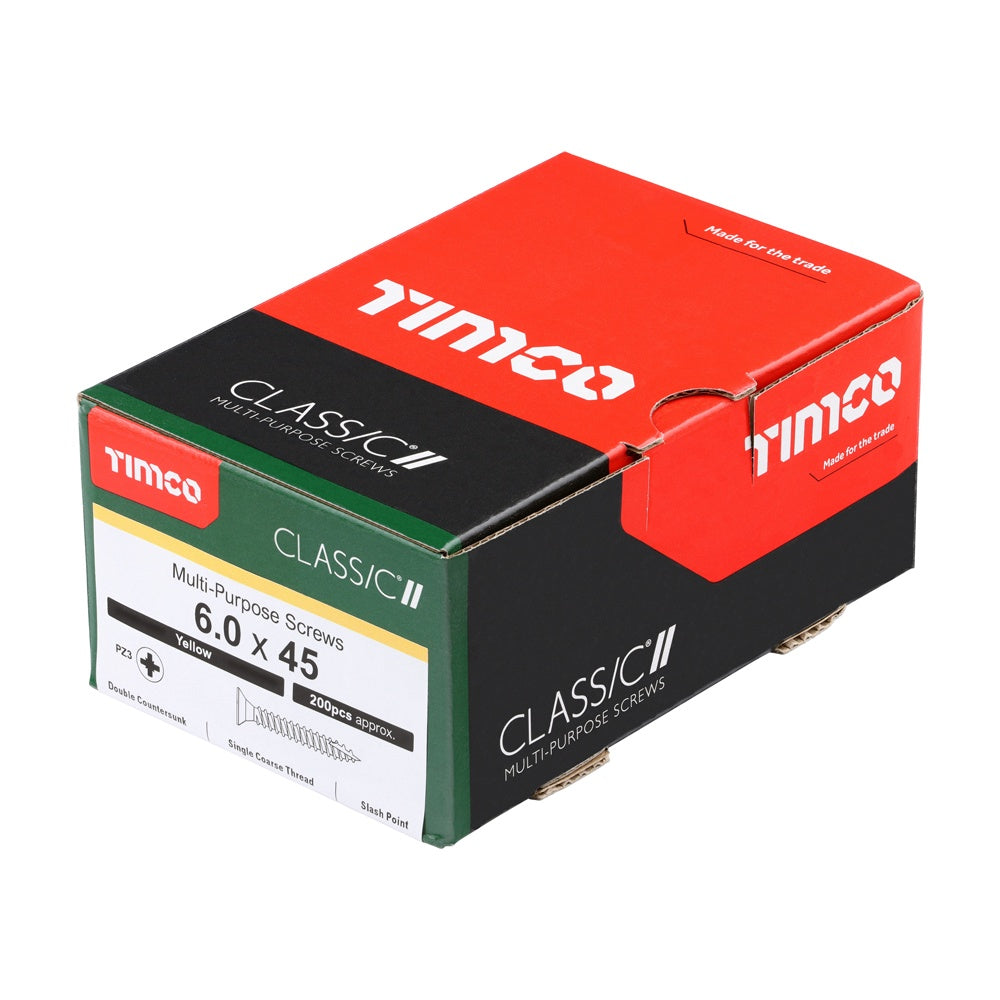
Timco Classic 6.0 x 45mm Double Countersunk Screws
Double countersunk, PZ2, zinc and yellow, for hardwood, chipboard, MDF, plastic and thin sheet metal. The double countersunk head helps reduce head shear. 7 in stock.
View at DBR Tools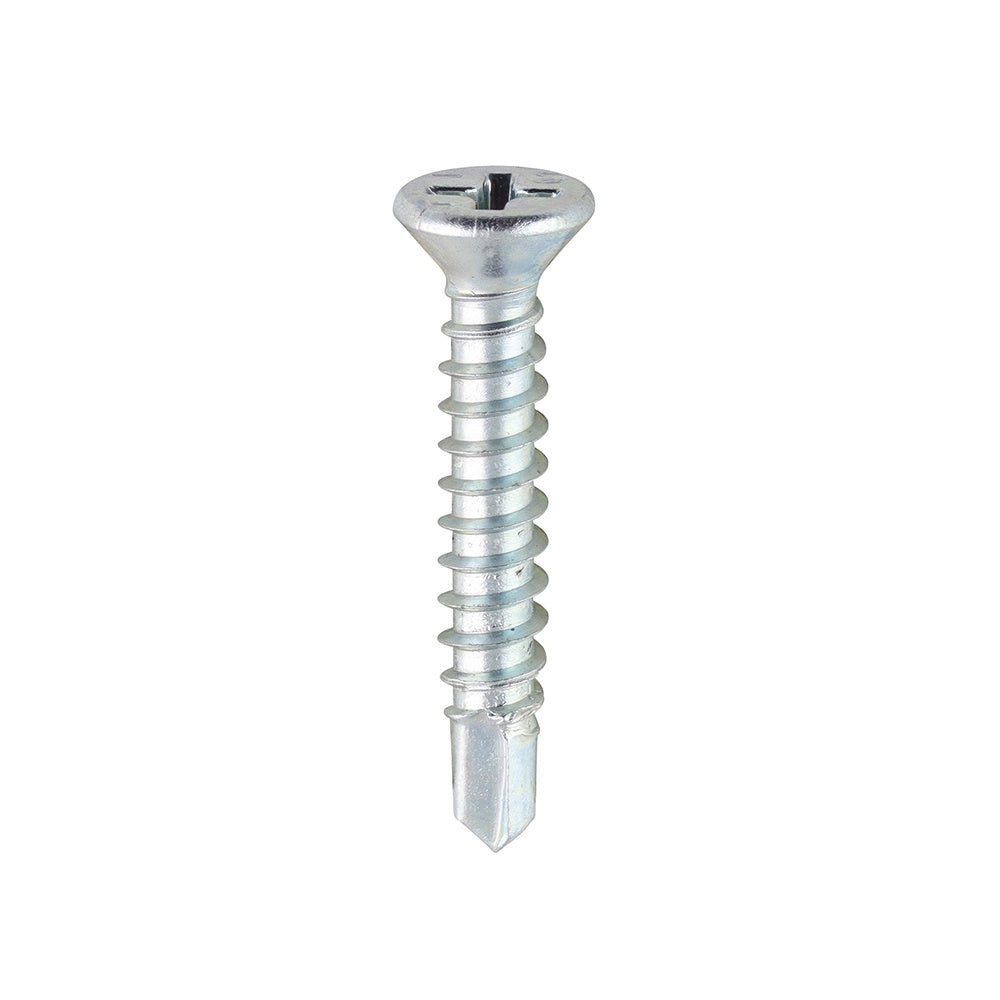
Timco Window Fabrication Screws, Countersunk, Self-Drilling
Countersunk PH self-tapping screws with a self-drilling point, zinc finish, in 3.9 x 25, 3.9 x 45 and 4.8 x 45mm. 5 in stock.
View at DBR Tools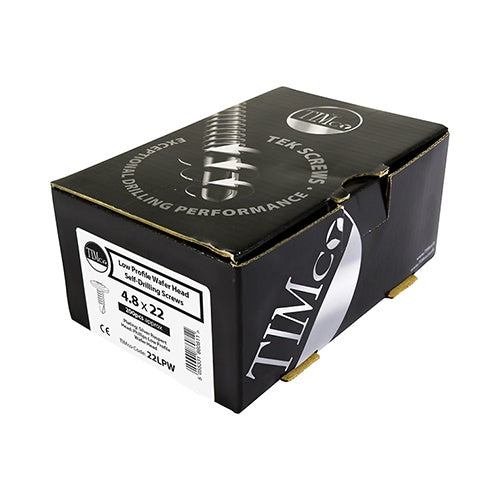
Timco 4.8 x 22mm Low Wafer Head Sheet & Framing Screws
A large flat surface under a low-profile wafer head for clamping thin sheet and a flush finish, PH2, corrosion rating 3. 2 in stock.
View at DBR Tools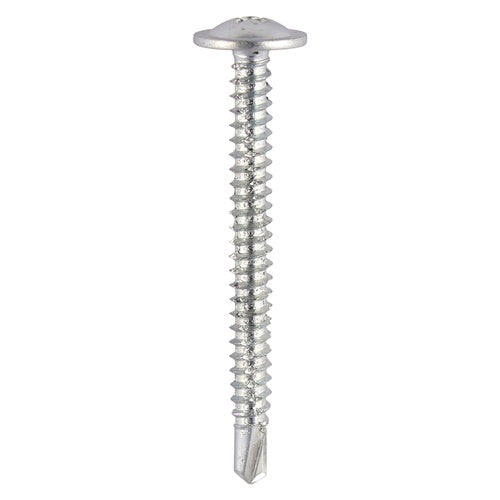
Timco Baypole Wafer Flange Head Screws, 4.8mm
A wide flange head, self-tapping, PH2, in 40, 50, 70 and 100mm, designed for PVCu bay window sections. 14 in stock.
View at DBR ToolsCountersunk vs Pan Head FAQs
Is a countersunk screw always flush?
Only when the head and the prepared recess or countersunk hole are compatible.
Can pan head screws be hidden below the surface?
Their shape is meant to stay raised. Use the head profile specified for the job.
Are pan head screws stronger?
Head shape alone doesn't set load capacity. The whole fastener and joint specification does.
Can a Torx screw also be countersunk?
Yes. Torx names the drive recess; countersunk names the outside head shape.
The Bottom Line
Let the fixture decide the head. Countersunk for a flush finish in a recess, pan head for plates and fittings, then pick drive, size and finish separately.
Check head, drive, size and stock before ordering.
Shop screws