


Painter's tape is a specialist form of masking tape intended to create neat paint boundaries and be removed from approved surfaces within a stated time. General-purpose masking tape can also protect edges, but may have a shorter clean-removal window and suit delicate finishes less well. Choose by adhesive strength, surface, indoor or outdoor use and the maker's instructions, not tape colour alone.
Picking a roll by price or colour is tempting, but formulations vary: some are designed for a short time on sound, cured surfaces, others have lower adhesion for sensitive finishes. This guide explains how the two differ, what labels actually tell you and which suits common UK decorating jobs. It's based on manufacturer information, not hands-on testing.
Is Painter's Tape Different From Masking Tape?
Painter's tape is a type of masking tape. The difference isn't a universal material rule but the intended application and the performance each product claims. Traditional creped-paper masking tape suits temporary protection and straightforward preparation. Specialist painter's tape may have a finer backing, an adhesive tuned to particular finishes, a longer stated clean-removal window or an edge-sealing treatment. Neither label alone guarantees a crisp line or damage-free removal.
General masking tape
Temporary protection and masking
Backing and tack vary by product, and the removal window may be short. Test first on sensitive finishes. Read the label, not the colour.
Specialist painter's tape
Designed for decorating tasks
May offer low-tack options for delicate surfaces, longer removal windows and edge-sealing features. Check surface approval and removal time.
| Feature | General-purpose masking tape | Specialist painter's tape |
|---|---|---|
| Typical priority | Temporary protection and general masking | Precise decorative edges and specified surface compatibility |
| Adhesive strength | Varies; some types grip firmly | Often offered in low, medium and higher adhesion |
| Delicate finishes | Check carefully; not automatically suitable | Choose a specifically approved low-tack product |
| Clean removal | Product-specific, sometimes short | Product-specific, potentially longer |
| Exterior exposure | Only where the label expressly permits it | Exterior-rated versions are available |
These categories overlap: a good masking tape can perform like a painter's tape, and a painter's tape isn't right for every surface.
What Actually Makes a Good Decorating Tape?
Adhesion: more isn't always better. Stronger tack may help on robust surfaces but raises the importance of testing on fresh coatings, coated wallpaper, older paint and decorative finishes. A clean-removal claim isn't a promise on every substrate. Backing and edge: thin washi-style or creped paper, with surface texture, pressure and coating type also mattering. FrogTape, for example, describes a PaintBlock treatment to reduce bleed with water-based paint, which is a feature of those products, not of all green or yellow tape. Sunlight and weather: heat, sun and moisture affect adhesive performance, so don't assume an interior roll suits exterior frames or sun-exposed glazing.
The clean-removal window is how long a manufacturer says the tape can stay on approved surfaces under specified conditions. Manufacturer examples show why labels matter:
- Harris Essentials 24mm: removal within 24 hours.
- tesa Masking Tape Classic: up to 7 days indoors.
- FrogTape Multi-Surface: up to 21 days, but 7 days in direct sunlight.
- FrogTape Delicate Surface: up to 60 days on approved surfaces.
These are four specific products, not universal ratings. Remove tape according to the maker's painting instructions rather than leaving it on longer than needed.
Which Tape Should You Choose for Different Surfaces?
Sound, fully cured coating. Check the removal-time limit and test where adhesion is uncertain.
Fresh paint: check the minimum age. Wallpaper and laminate: test first. Weak paint can still lift.
Read the sunlight-specific limit and temperature conditions. Never assume all blue tape is UV-rated.
Freshly painted walls: use only tape approved for fresh paint and follow both makers' curing requirements. FrogTape Delicate Surface lists fresh paint at least 24 hours old, but a coating may need longer, and a surface that feels dry isn't necessarily ready. Wallpaper, veneer, laminate and furniture: a specially approved low-adhesion tape may be preferable, tested on a hidden area first. Glass, metal and exterior trim: choose tape rated for the substrate and exposure. Rough or textured surfaces: tape may not contact recessed areas, making bleed more likely, so expect extra preparation.
Does Tape Colour Tell You Which One to Buy?
No. Colour isn't a reliable cross-brand specification. One maker may use yellow for delicate surfaces and another a different colour for an entirely different adhesive. Read the label for four things:
- SurfaceIs it approved for painted plaster, trim, glass, veneer or your other finish?
- AdhesionLow, medium or high tack? Sensitive finishes need extra care.
- Removal window24 hours, 7 days, 21 days? Use the exact product's stated period.
- Sunlight and weatherIndoor only, or outdoor-rated? UV exposure can shorten the time limit.
The product code is more useful than colour if you want to buy the same tape again.
How to Avoid Common Masking Problems
Bleeding under the edge: texture, dust, uneven contact or an unsuitable tape can leave gaps. Use a tape approved for the material on a sound, clean, dry surface. Tape lifting paint: paint that hasn't cured, bonds poorly or meets an unsuitable adhesive can lift, so test old work, and don't assume a 60-day claim makes a product safe on damaged paint. Adhesive residue: more likely if tape is left beyond its window or in heat and direct sun. Ragged lines: paint dried across the edge can tear on removal. FrogTape recommends removing while paint is still wet, but other makers differ, so follow your tape and coating instructions.
What Width of Masking Tape Is Best?
Common widths are roughly 19mm, 24 to 25mm, 36 to 38mm and 48 to 50mm. Narrower tape suits fine trim and curves, while wider tape gives a larger protected margin along skirting and frames. Adhesive suitability matters more than choosing the widest roll, and tape is no substitute for dust sheets over floors and furnishings.
Masking Tape and Decorating Tools at DBR Tools
Tape alone doesn't decide the finish: the brush, roller and preparation matter too. Stock is limited, so check availability.
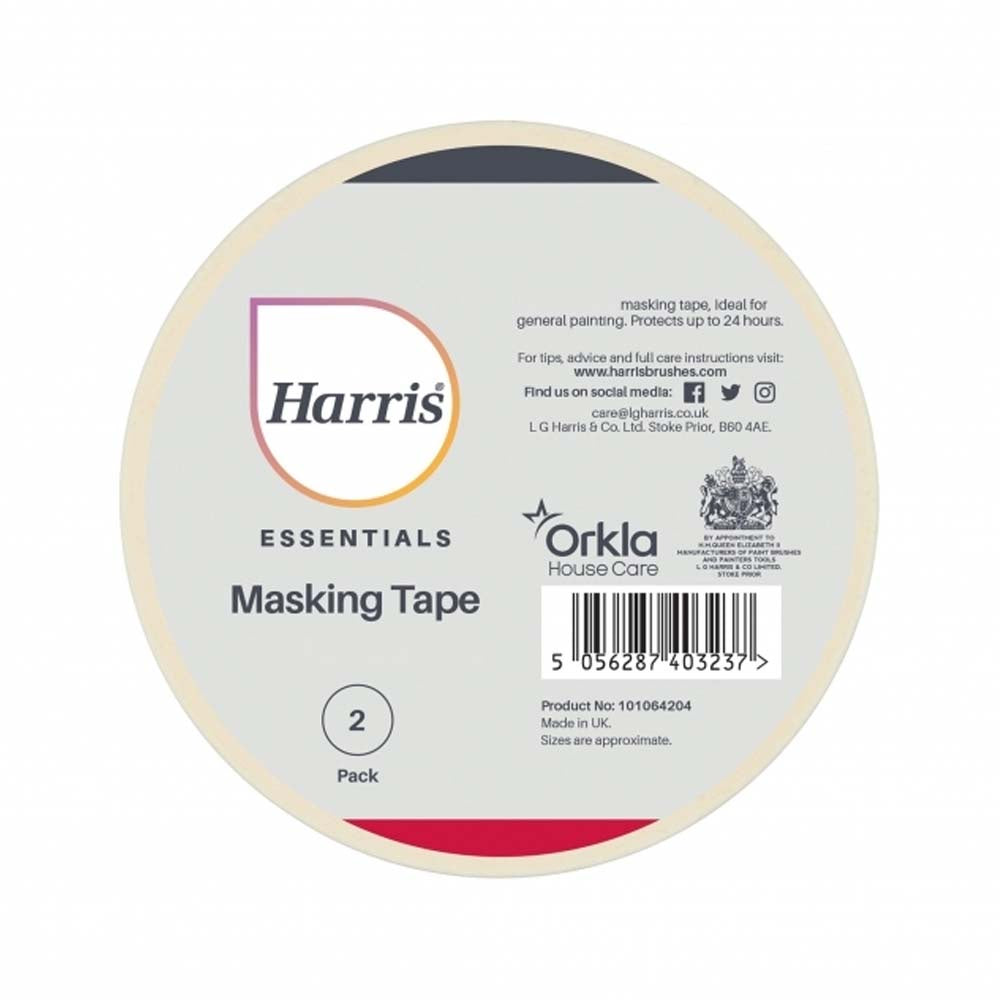
Harris Essentials Masking Tape 25m (2 Pack)
A 24mm and a 48mm roll for clean, sharp paint lines. Harris recommends removal within 24 hours, so it suits short jobs.
View at DBR Tools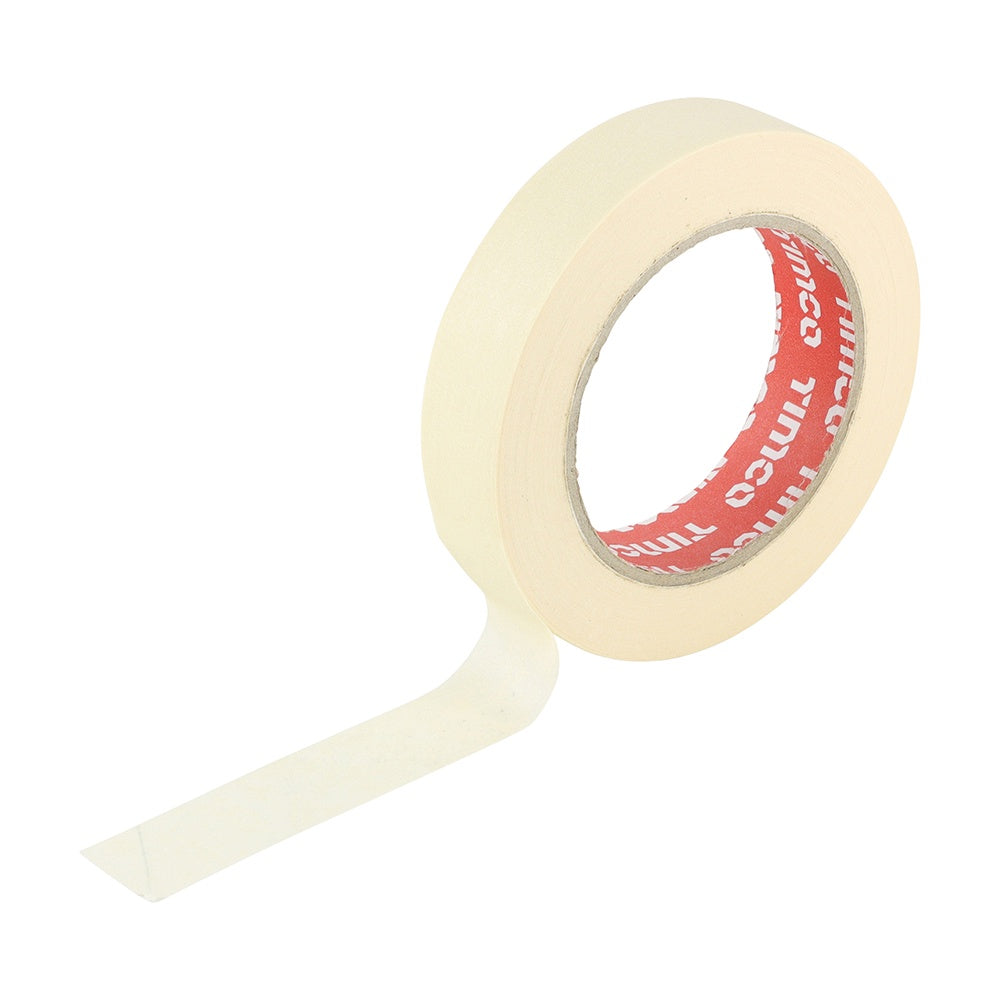
Timco SMT25 Masking Tape 50m x 25mm
Trade-quality general-purpose crepe paper tape with a natural rubber adhesive, described as giving clean and precise removal. No removal window is stated, so check before long masking.
View at DBR Tools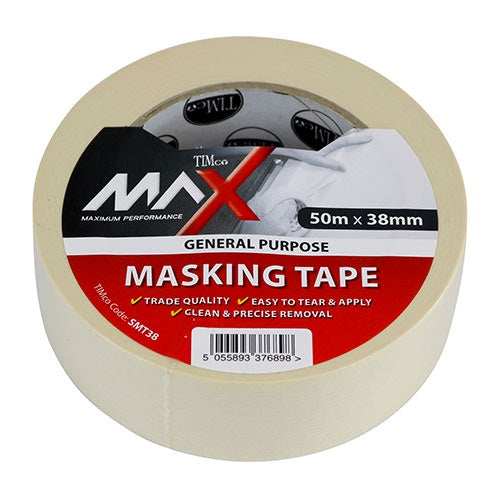
Timco SMT38 Masking Tape 50m x 38mm
The same cream crepe tape in a wider 38mm roll for a larger protected margin along skirting and frames.
View at DBR Tools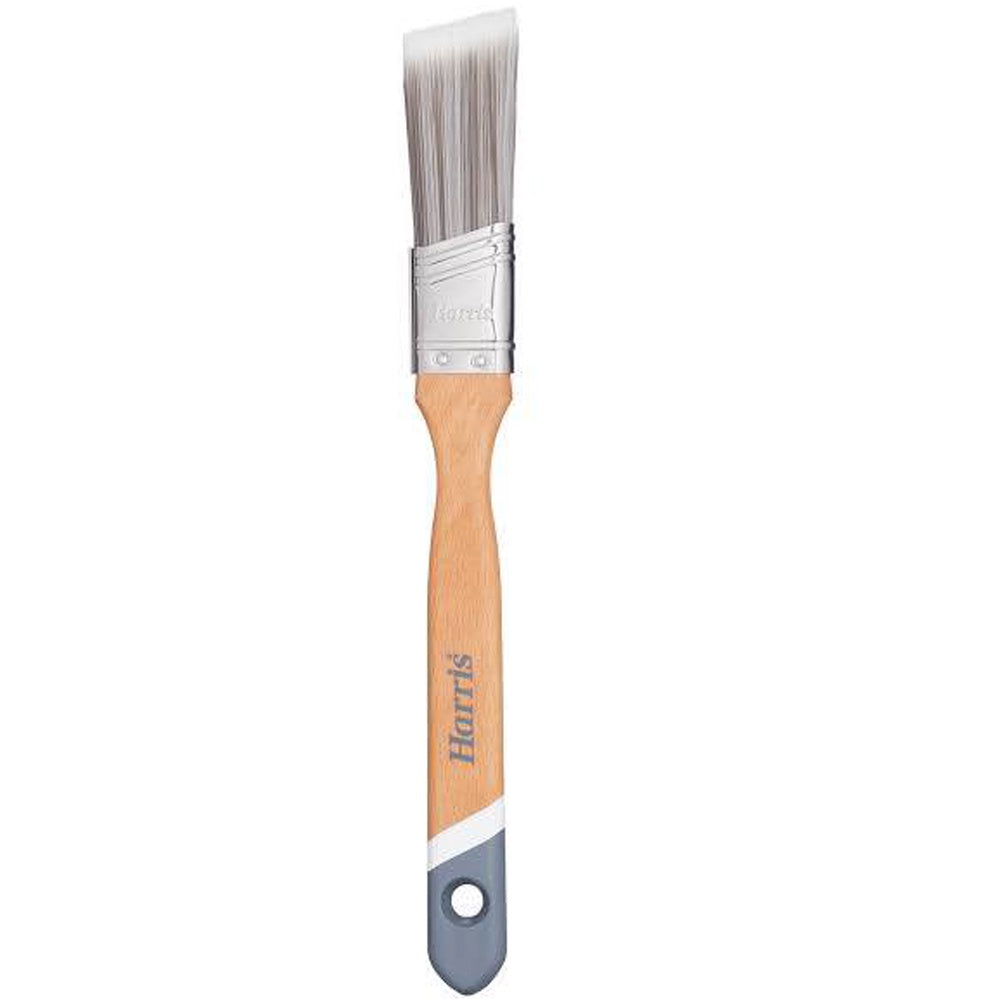
Harris 1.5in Ultimate Angled Reach Brush 103011019
Angled head and extended handle, specified for emulsion on walls and ceilings.
View at DBR Tools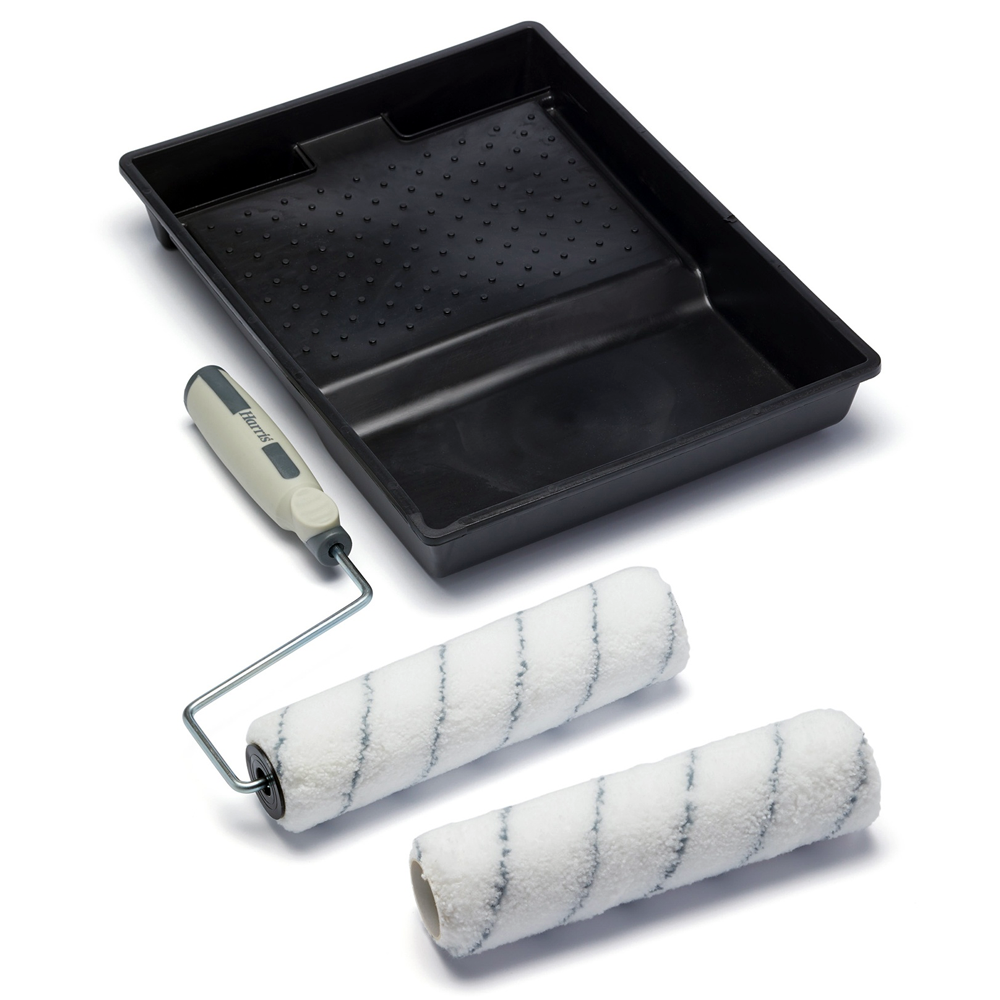
Harris 9in Seriously Good Medium Pile Roller Set 102012006
Two medium-pile sleeves, a frame and tray, specified for emulsion on semi-smooth walls.
View at DBR ToolsHow to Choose a Tape for Your Project
| Project | Prioritise | Buying check |
|---|---|---|
| Colour-blocked feature wall | Accurate edge, approved painted-wall use | Is the base paint fully ready for masking? |
| Skirting board repaint | Suitable adhesion and clean removal | Is the existing wall finish sound? |
| Newly decorated room | Delicate-surface compatibility | What is the minimum paint age? |
| Window trim in direct sun | Outdoor and UV claim | What is the sunlight-specific limit? |
| Furniture or laminate | Low-tack product approved for the finish | Has a discreet test worked? |
| Rough plaster | Appropriate backing and contact | Is the texture too irregular for a clean seal? |
For most buyers, a roll matched to the surface and expected exposure beats several colours assumed to offer the same protection.
Frequently Asked Questions
Is blue painter's tape always better than beige masking tape?
No. Colours aren't a universal rating. Compare the exact manufacturer's surface approvals, adhesive strength, exposure rating and removal instructions.
Can you use ordinary masking tape for painting?
Yes, if the manufacturer approves that tape for the surface, coating and time period. General-purpose tape can be fine for short decorating tasks, but don't assume it suits delicate paint or prolonged exposure.
Can painter's tape damage a wall?
Yes. A weak, poorly bonded or insufficiently cured coating may lift during removal. Even low-tack products need testing and use within their specified conditions.
How long can masking tape stay on a wall?
There is no universal limit. One product may specify 24 hours, others several days or longer. Follow the exact roll's instructions, and note that direct sunlight can shorten the stated period.
Is painter's tape waterproof?
Some tapes tolerate limited moisture during painting or outdoor exposure, but that doesn't make them waterproof sealing tapes. Use only tapes intended for the actual exposure.
When should painter's tape be removed?
Follow the tape manufacturer's guidance and the coating instructions. Many painter's tapes suggest removing while the paint is still wet, but timing isn't identical for all products.
Final Verdict: Masking Tape or Painter's Tape?
For short, straightforward protection on robust, fully cured surfaces, a compatible general-purpose masking tape may be all you need. For sensitive paintwork, decorative colour breaks or a longer masking period, a specialist painter's tape with clearly stated surface and removal ratings is worth considering. The most reliable rule: ignore colour as a specification, check the exact tape's intended use and test sensitive surfaces.
Check full product details and stock before ordering.
Shop Harris