


A paint roller is usually the practical choice for broad, fairly flat walls and ceilings, while a paint brush is better for edges, corners, skirting boards and detail. For many projects the most useful combination is an angled brush for cutting in and a suitable roller for the larger surfaces.
Neither tool is universally best. The wrong roller pile can leave unwanted texture, and a brush poorly matched to the coating can leave visible marks. Your surface, paint and the finish you need should guide the choice. This guide compares brushes and rollers and explains short, medium and long pile. It draws on published product details, not hands-on testing.
Paint Brush vs Roller: Key Differences at a Glance
Paint brush
Edges, trim and detail work
Precise around corners and fittings, ideal for cutting in and narrow trim. Best matched to the paint and bristle type.
Paint roller
Broad walls, ceilings and panels
Covers large surfaces efficiently. The sleeve pile should suit the texture, and a brush is still useful for edges.
| Feature | Paint brush | Paint roller |
|---|---|---|
| Best for | Edges, trim, corners and detail | Walls, ceilings and broad surfaces |
| Coverage speed | Generally slower on large flat areas | Usually faster across broad areas |
| Control | Precise around edges and fittings | More consistent spread on a large surface |
| Common sizes | Approx. 1 to 3in | 4in mini or 9in wall roller |
| Limitations | Brush marks are possible | Can leave roller texture, can't reach some details |
For a typical room there is no need to choose just one. A brush and roller are complementary tools.
When Is a Paint Brush the Better Choice?
Cutting in: a brush handles the narrow areas where a roller is awkward, such as along skirting, near corners, next to door frames and where walls meet ceilings. Angled bristles help control the edge. Dulux advises that larger brushes suit wall edges, while narrower ones give more control on trim and woodwork. Skirting, doors and trim: a brush can follow mouldings and grooves a wall roller can't. Synthetic bristles are widely recommended for water-based paints, while natural bristles are often used with some solvent-based coatings, subject to the paint maker's guidance. Touch-ups: a brush suits small repairs, pipe surrounds and window reveals. Avoid overworking paint that has begun to dry.
When Should You Choose a Paint Roller?
Walls and ceilings: a roller carries and spreads paint over a wider area, which is usually more efficient. A 9-inch roller is a common general size. Large flat panels: a correctly specified mini roller can suit doors and flat woodwork, but the sleeve must suit the coating, since an emulsion roller isn't automatically right for gloss, satin or varnish. Textured surfaces: rougher walls generally need a longer pile, though very long pile on a smooth wall may leave more visible texture than you want.
Roller Pile Explained: Short vs Medium vs Long
Pile (sometimes called nap) is the fibre length on the sleeve. Match it to the surface texture and the paint maker's instructions.
May leave a finer texture but holds less paint. Check coating compatibility.
A common starting point for emulsion on semi-smooth surfaces.
Reaches into surface texture but can texture smooth walls.
These are general categories, not fixed millimetre standards, and makers label pile differently. Follow the sleeve and coating instructions.
Foam rollers: not always better for smooth finishes. Some specialist mini rollers suit compatible woodwork coatings, but spongy foam can produce bubbles with ordinary wall emulsion, and Dulux advises against foam for regular emulsion.
Harris Decorating Accessories at DBR Tools
These match the sizes discussed above. Stock is limited, so check availability.
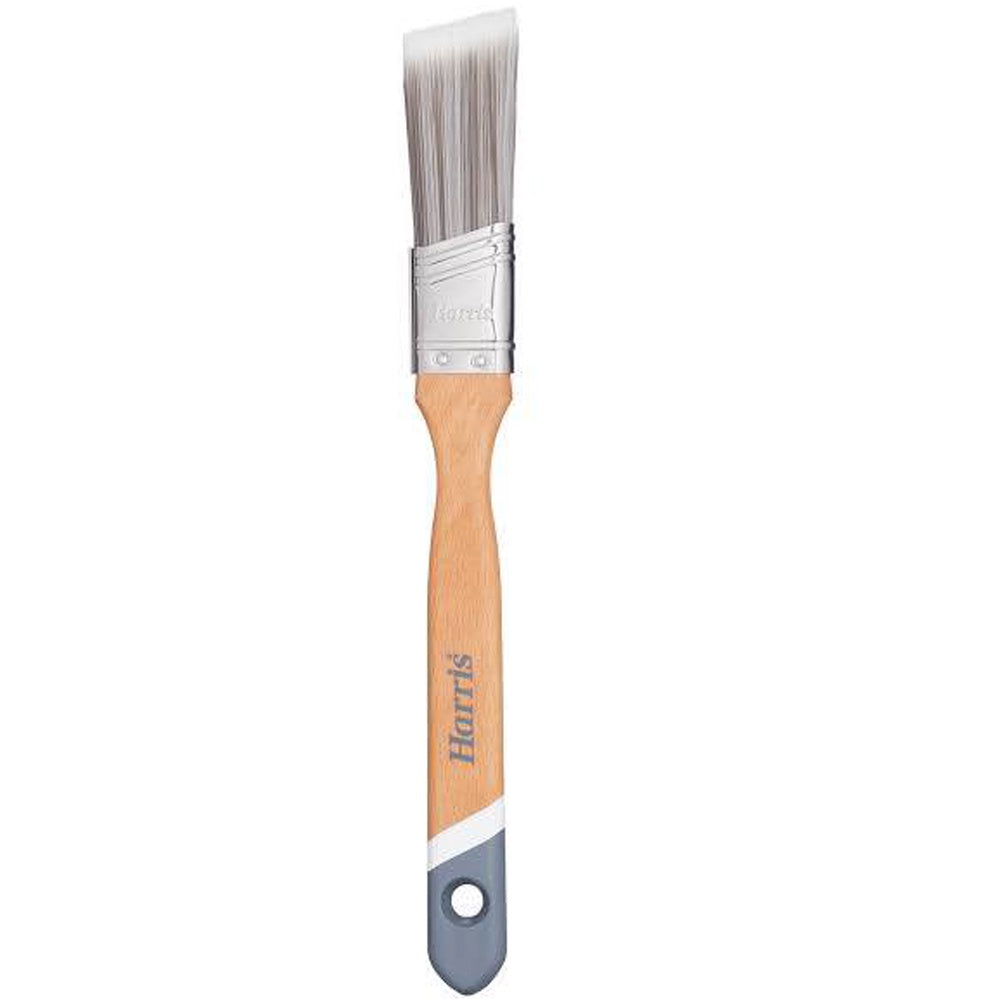
Harris 1.5in Ultimate Angled Reach Brush 103011019
Angled head and extended handle, specified for emulsion on walls and ceilings. A good cutting-in brush.
View at DBR Tools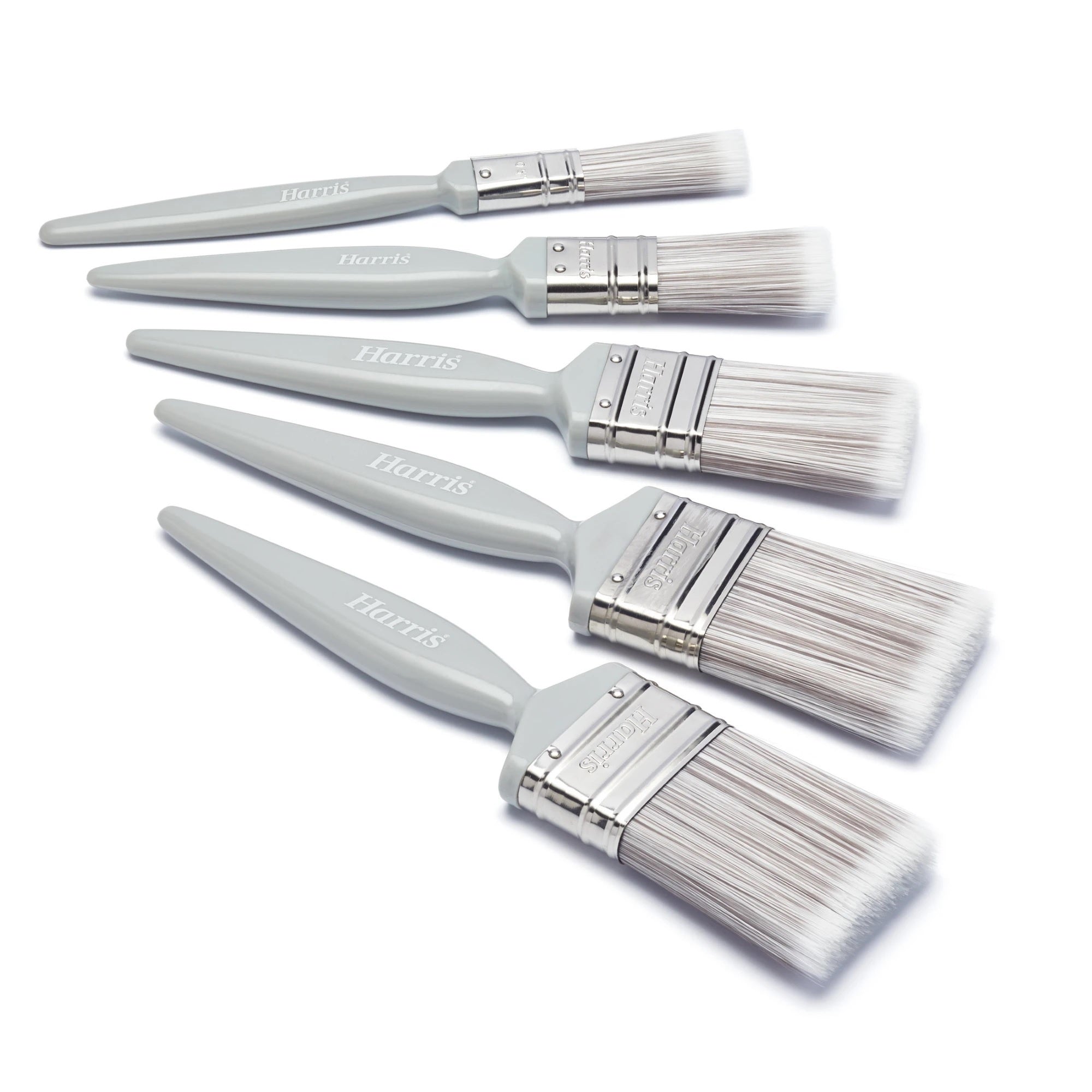
Harris Essentials 5-Piece Brush Set 101011006
Mixed 1in, 1.5in and 2in flat brushes for emulsion, useful when you need a range of widths.
View at DBR Tools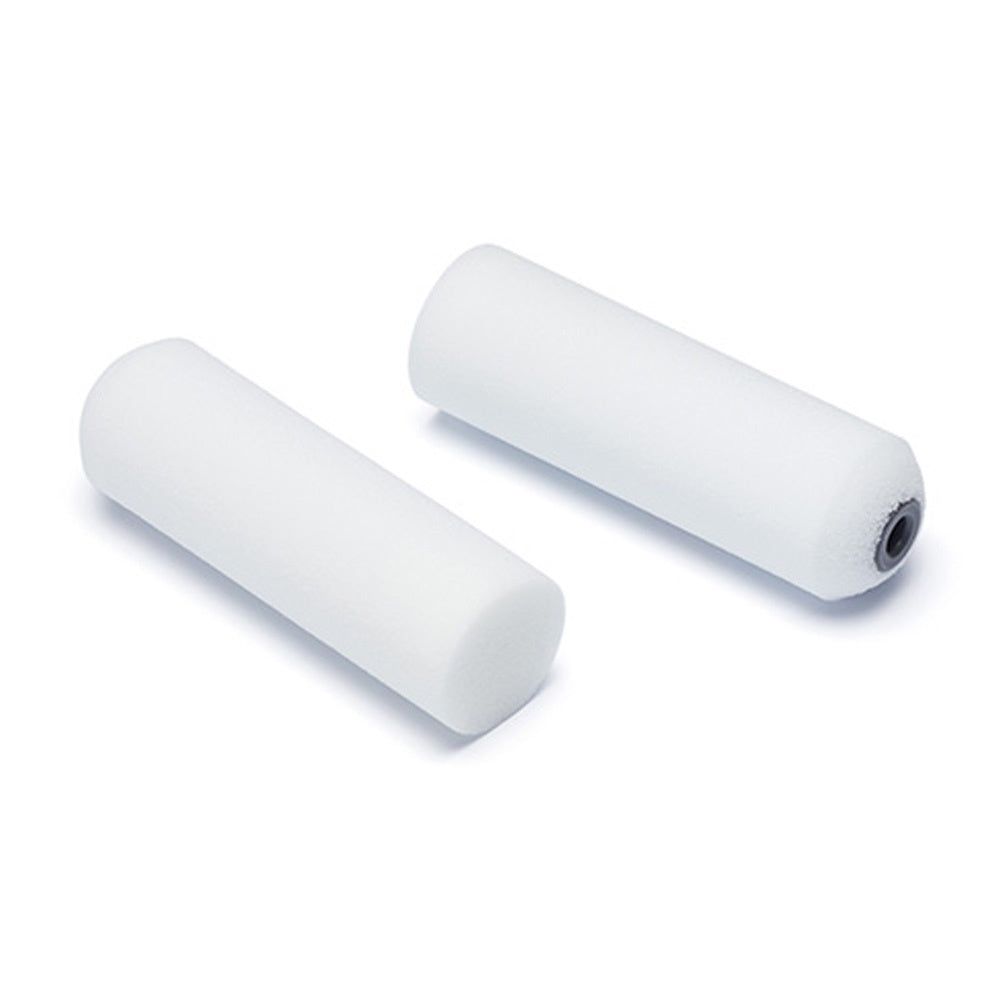
Harris 4in Seriously Good Woodwork Roller Sleeves
Sleeve-only packs for compatible gloss or stain and varnish (pack of 2 or 10). The listing doesn't include a frame or tray.
View at DBR Tools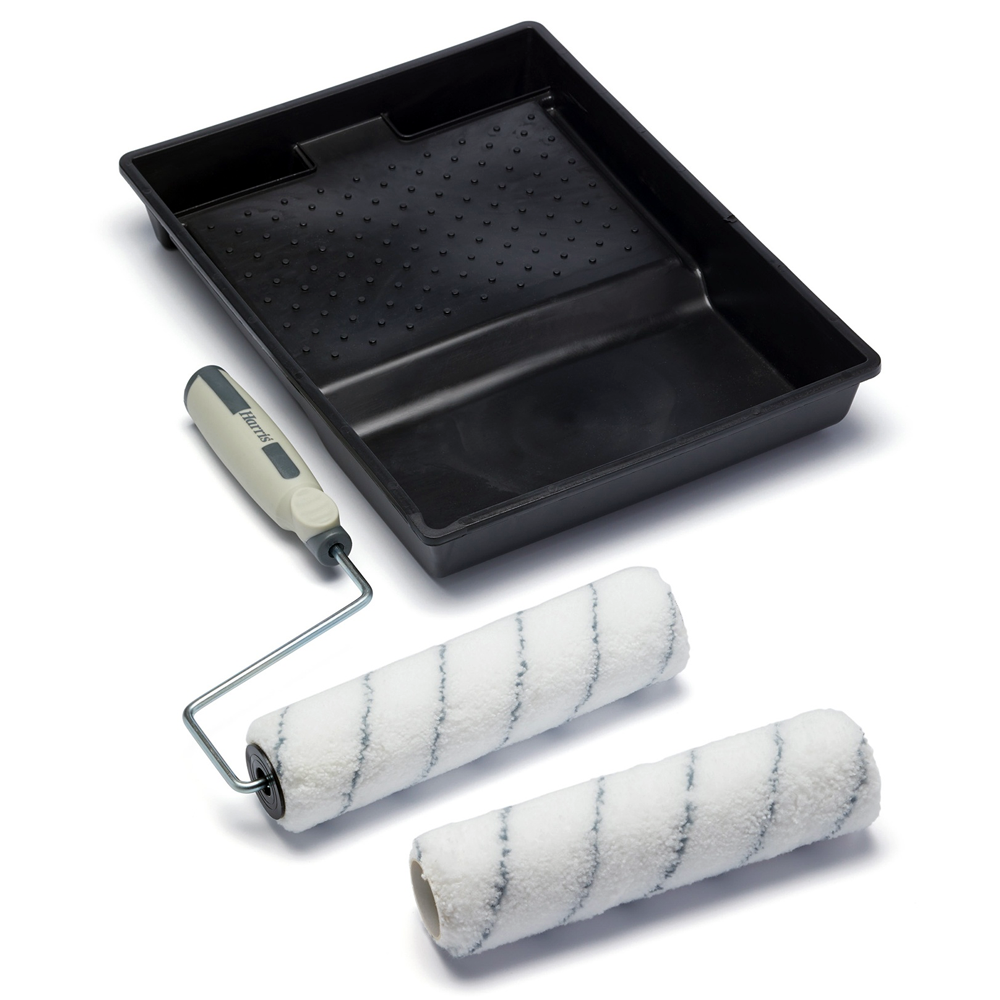
Harris 9in Seriously Good Medium Pile Roller Set 102012006
Two medium-pile sleeves, a frame and a 9-inch tray, for emulsion on semi-smooth surfaces.
View at DBR ToolsWhich Tool Is Best for Each Decorating Job?
9-inch roller plus a cutting-in brush.
Suitable wall roller plus an edge brush.
Narrow brush for controlled detail.
Coating-compatible mini roller, brush for edges.
Appropriate longer-pile sleeve, if approved.
Brush matched to the paint.
The paint tin and coating guidance take priority over a general guide like this, and some specialist paints need a particular applicator.
Choosing Bristles and Roller Sleeves
Bristles: synthetic is a useful starting point for water-based emulsions and woodwork paints. Natural bristles may suit selected solvent-based coatings but shouldn't be assumed right for every product. A higher price doesn't by itself mean a better finish. Sleeves: fibres vary in how much paint they hold and the texture they leave. Microfibre and woven options are common for water-based paints, and the sleeve's inner diameter must match your frame. Kits or sleeves: a complete set gives you the frame and tray, while replacement packs suit people with compatible hardware. Don't compare a sleeve-only pack with a kit on price alone.
Common Decorating Mistakes to Avoid
- Using the wrong sleeve for the paint.
- Choosing the longest pile for every wall: it can over-texture smooth plaster.
- Painting edges with a large roller: a brush gives more control.
- Ignoring preparation: loose paint, dust and grease spoil results.
- Overworking paint as it dries: follow the working time guidance.
- Skipping cleaning instructions: water-based and solvent-based coatings differ.
Frequently Asked Questions
Is a brush or roller better for painting walls?
A roller is generally better for covering large wall areas efficiently. A brush is better for cutting in along edges, corners and other places the roller cannot reach. Most room-painting projects benefit from both.
What roller pile is best for emulsion paint?
For many ordinary semi-smooth interior walls and ceilings, medium-pile sleeves are a common starting point. Smoother finishes may call for a shorter pile and rougher surfaces a longer one. Confirm the paint and sleeve manufacturers' recommendations.
Can you paint a door with a roller?
Yes, selected mini roller sleeves are made for compatible woodwork finishes. A brush may still be needed around mouldings, hinges and narrow edges. Choose a sleeve recommended for the specific coating.
Are synthetic brushes better than natural bristle?
For water-based paints, synthetic bristles are commonly preferred. Natural bristles can suit certain traditional solvent-based coatings. Neither is universally best.
Can a roller replace cutting in with a brush?
A roller may reach close to some edges, but it isn't generally a complete substitute for a cutting-in brush, especially next to contrasting finishes and detailed trim.
What is the difference between a 4-inch and a 9-inch roller?
A 4-inch mini roller is easier to position on narrow surfaces or panels. A 9-inch roller covers wider areas more efficiently, making it a common choice for walls and ceilings.
Final Verdict: Brush, Roller or Both?
For most UK decorating projects, buy both. The brush handles precision work and the roller covers the broad areas. A sensible starting pair for a room refresh is an angled emulsion brush and a 9-inch medium-pile roller set. For doors or flat woodwork, add a dedicated mini roller.
Check full product details and stock before ordering.
Shop Harris